After spending time in both Bhutan and Dubai, I found myself thinking not only about their visible differences — the mountains and the skyscrapers, the silence and the speed — but about something deeper: what each of these societies believes a good life looks like.
In Bhutan, fulfillment begins within. In Dubai, it is measured by what rises around you. Both are powerful visions of what it means to live well — and both, I think, hold lessons for the rest of us.
GROSS NATIONAL HAPPINESS VS. GROSS DOMESTIC PRODUCT
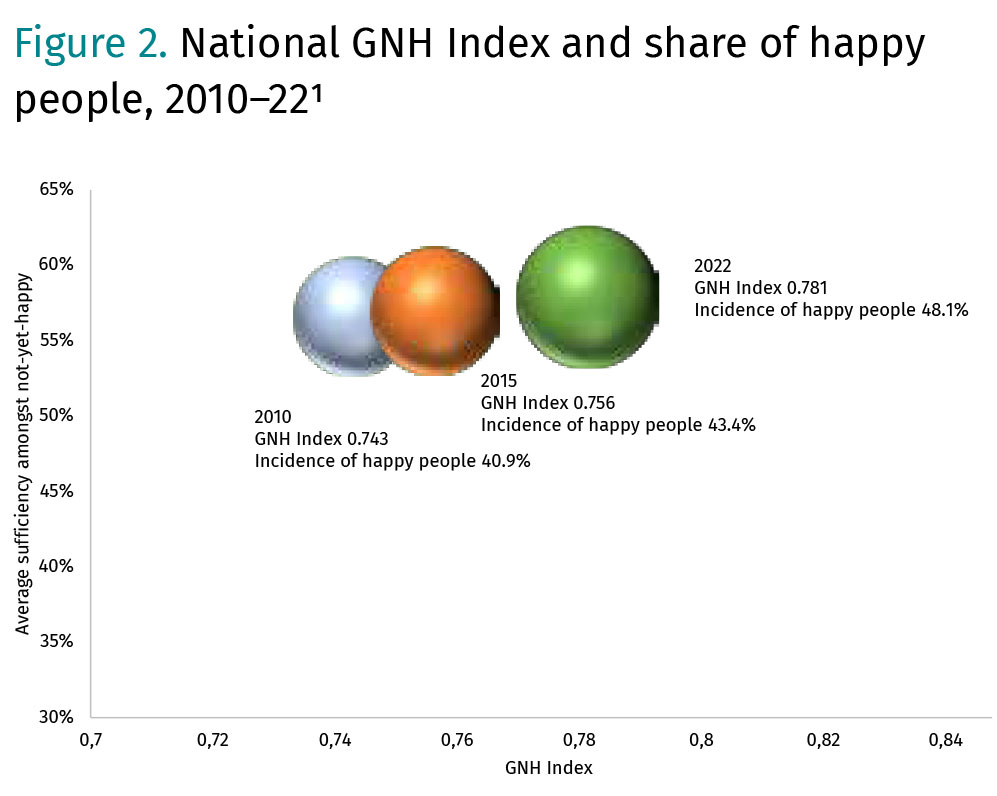
Bhutan is the only country in the world to measure its progress not by economic output, but by what it calls Gross National Happiness. It is an idea that sounds quaint until you see how seriously they mean it. Schools teach mindfulness. National policy is evaluated not just by cost, but by its impact on spiritual well-being, community, and the environment.
In Bhutan, happiness is not a mood. It’s a moral goal — a collective commitment to contentment.
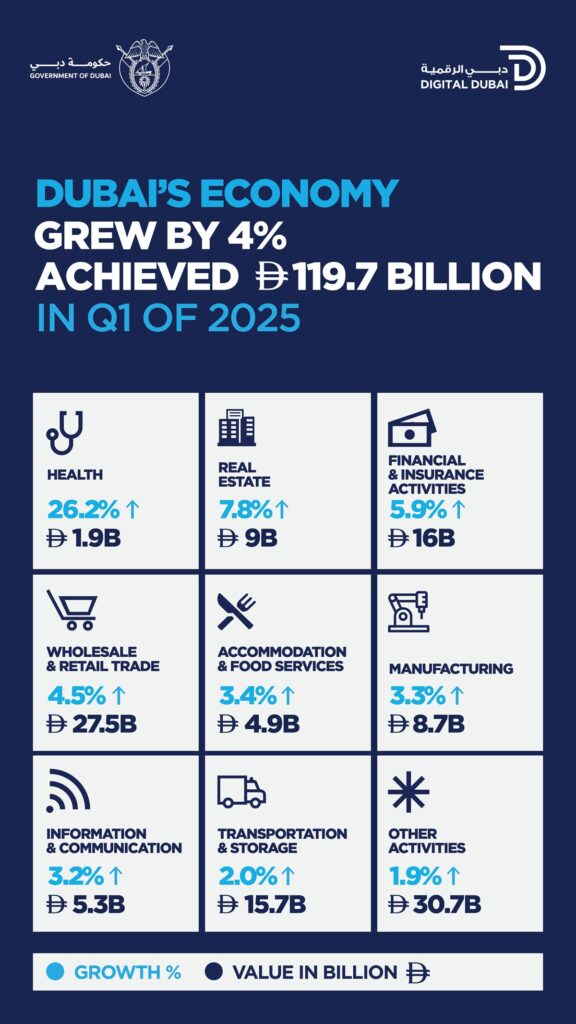
Dubai, by contrast, measures success the way most of the modern world does — in growth, ambition, and achievement. Its ruler famously said, “We don’t wait for things to happen; we make them happen.” The city is a living monument to that philosophy. It has built the world’s tallest building, the largest mall, the busiest airport. It has created islands shaped like palm trees, ski slopes in the desert, and a skyline that seems to rewrite the rules of gravity.
If Bhutan’s national question is, “Are our people content?” then Dubai’s is, “What can we build next?”
TWO DIFFERENT KINDS OF WEALTH
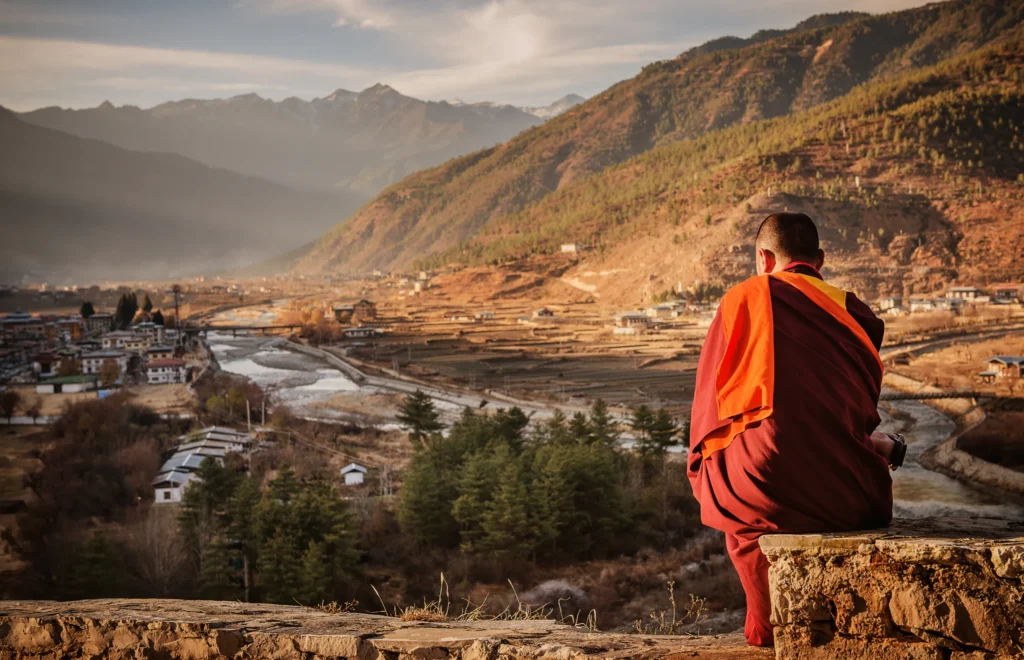
The people of Bhutan seem rich in time. Days unfold slowly. There is room for conversation, for stillness, for prayer. Even the way they drive — winding through narrow mountain roads, stopping to let a herd of cows or yaks cross — reflects a culture that accepts limits and finds peace within them.
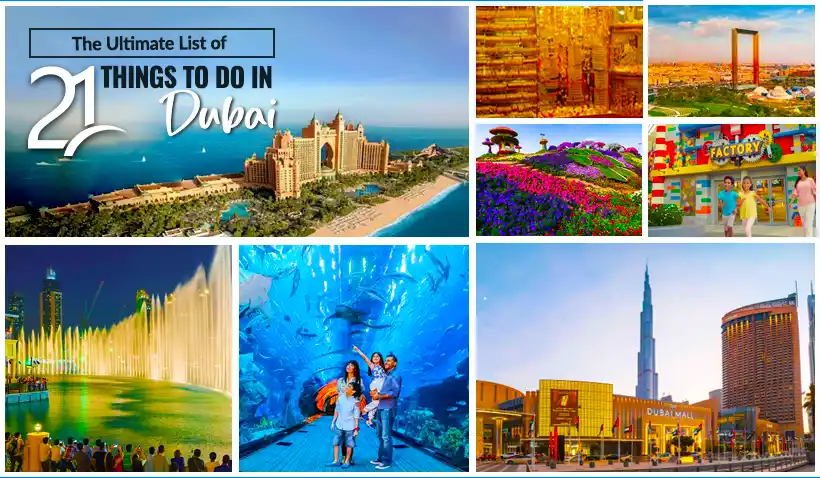
Dubai, on the other hand, seems rich in possibility. It’s a city built on imagination, on turning dreams into steel and glass. If Bhutan’s wealth lies in contentment, Dubai’s lies in confidence.
Both are admirable. And both, taken to extremes, have their dangers: too much contentment can become complacency; too much ambition can become restlessness.
THE UNIVERSAL SEARCH
What struck me most is that both societies, in their very different ways, are trying to answer the same question — how do we make life meaningful?
Bhutan’s answer is inward: find inner peace, cultivate compassion, live in harmony. Dubai’s answer is outward: build, innovate, and leave a legacy.
And maybe the truth lies somewhere between them. Happiness without progress can fade into stagnation. Progress without happiness can feel hollow. The challenge — for countries and individuals alike — is to build lives that rise as high as Dubai’s towers, yet remain as grounded as Bhutan’s monasteries and temples.

A PERSONAL REFLECTION
After traveling from the mountains of Bhutan to the marinas of Dubai, I realized that the question is not which place has it right, but what I might learn from both.
From Bhutan: the value of stillness and compassion. From Dubai: the courage to imagine and to act.
Maybe happiness and success aren’t opposites after all — but partners in the same dance. One steadies the rhythm. The other sets it in motion.