Few journeys could offer a starker contrast than traveling from Bhutan to Dubai.
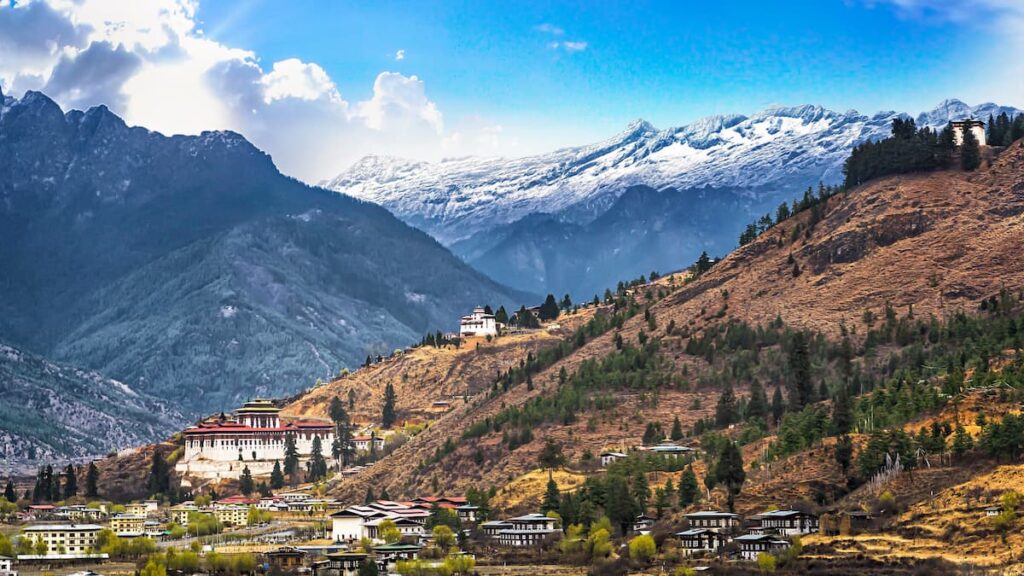
One sits in the thin air of the Himalayas, where the highest peaks are sacred and the tallest buildings rarely exceed six stories.
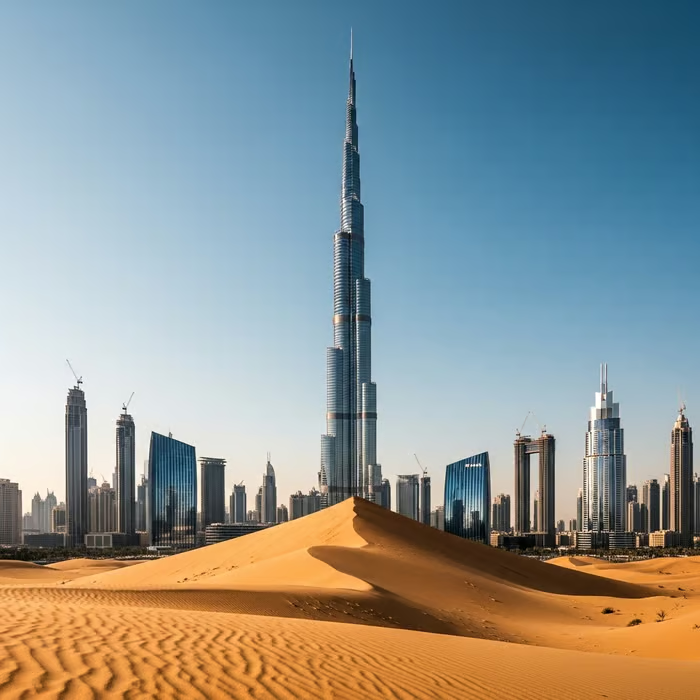
The other rises from desert sand, crowned by the tallest structure on Earth. Between them lies not just 2,000 miles, but two utterly different ways of living — and of dreaming.
ALTITUDE AND ATTITUDE
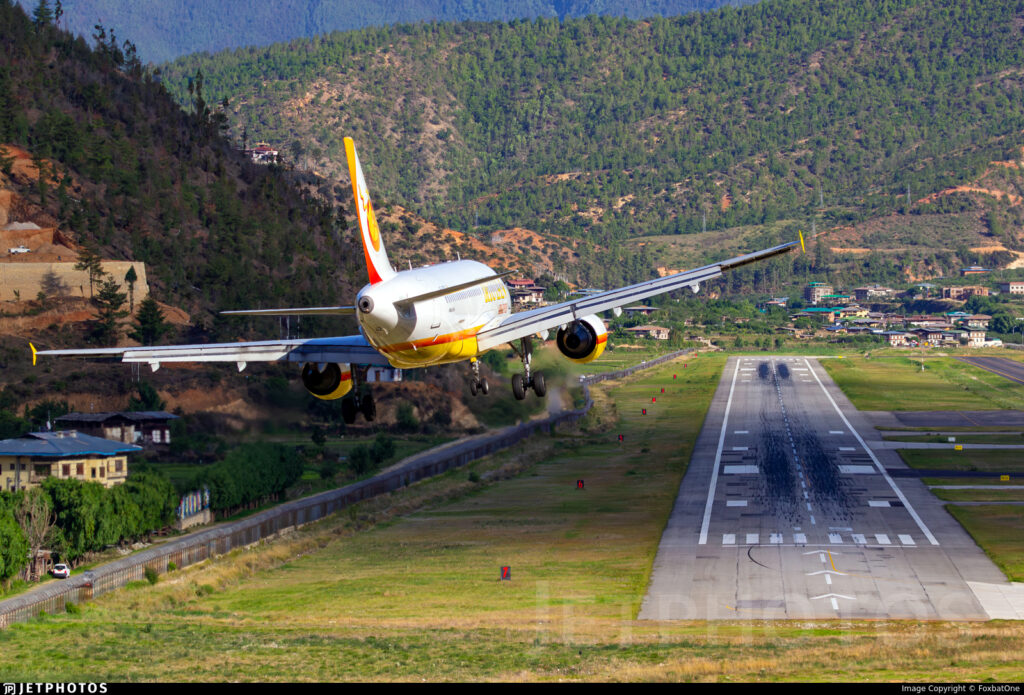
Bhutan’s capital, Thimphu, sits at 7,600 feet above sea level. Paro airport, one of the most difficult in the world for pilots to land in, lies in a narrow mountain valley at 7,300 feet. The runway is short, the approach breathtaking, and only a handful of pilots worldwide are certified to fly there.
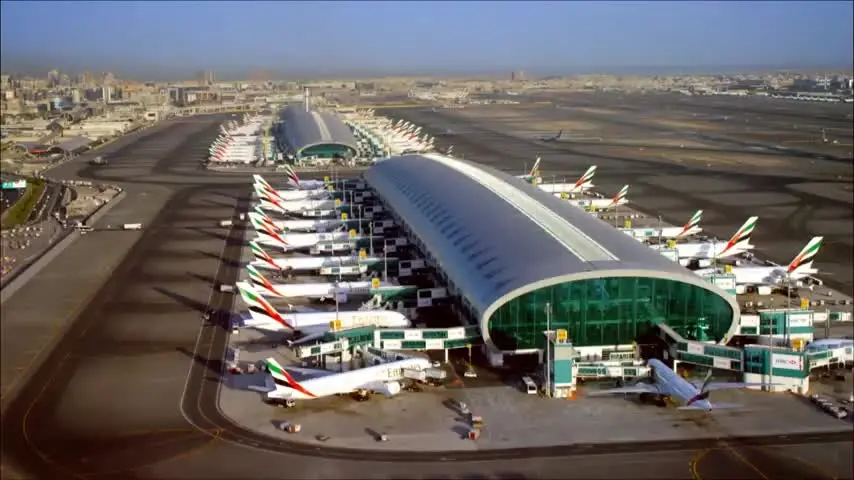
Dubai’s international airport, by contrast, sits only 62 feet above sea level — and handles nearly 90 million passengers a year, making it the second busiest airport in the world. Its runways are long, flat, and perfectly lit — a reflection of the city’s obsession with precision and efficiency.
In Bhutan, the air is cool, thin, and clean — your lungs notice. In Dubai, it’s hot, dense, and dry — your skin notices. The two environments are as different as mountain air and jet fuel.
MOUNTAINS AND DESERTS
Bhutan’s landscape is all vertical — steep valleys, snow-capped peaks, and roads that snake endlessly from one switchback to the next. Driving a hundred miles can take all day. In Dubai, the land is horizontal — wide highways, endless horizons, and streets so straight they feel engineered by geometry itself.
In Bhutan, nature dictates your path. In Dubai, humans redesign the land to suit their vision. The contrast couldn’t be sharper: mountain roads that yield to geography vs. desert boulevards that defy it.
BUILDINGS: THE SACRED AND THE SPECTACULAR
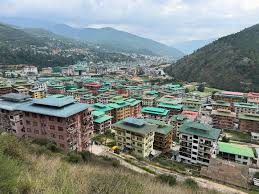
The tallest structure in Bhutan is likely a monastery or dzong — rarely more than six stories high. These whitewashed fortresses, trimmed in intricate woodwork and splashes of red and gold, blend harmoniously into the mountain slopes. Even new construction must follow traditional design codes — sloped roofs, carved windows, and earth tones that honor the past.
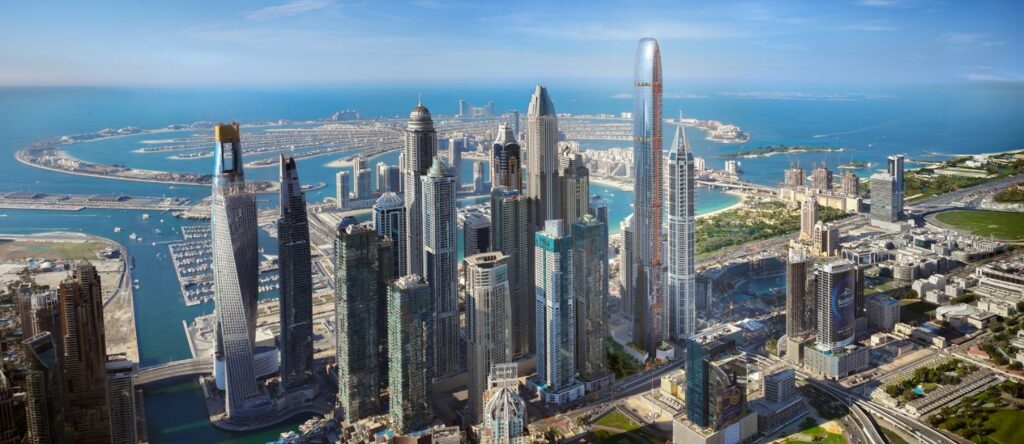
In Dubai, ambition stretches skyward. The Burj Khalifa towers 163 floors into the sky — more than 2,700 feet high. From its top, the city below looks like a model village carved in sand. Nearby, dozens of other skyscrapers soar 60, 80, even 100 stories, each trying to outshine its neighbor in glass, steel, and light.
Bhutan builds to belong. Dubai builds to be seen.
Both places reach upward. But the direction of their reaching is different. In Bhutan, the climb is spiritual — monasteries built high in the clouds, prayer flags sending hopes into the wind. In Dubai, the ascent is material — towers of glass and steel rising from the sand. Both are testaments to human ambition, but their destinations could not be more different.
WATER: RIVERS VS. SEA
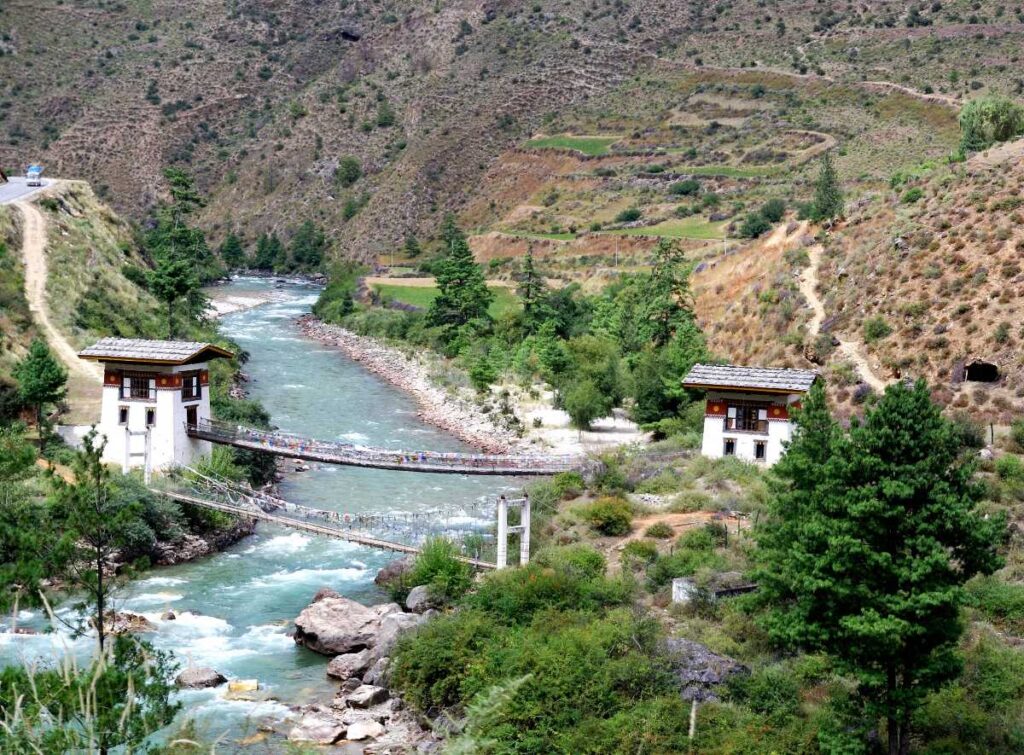
Water defines both places — in opposite ways. Bhutan is blessed with it. Mountain streams roar down rocky slopes, carving deep gorges and feeding rivers that seem too powerful for their size. Hydropower is the country’s main export — electricity born of snowmelt.
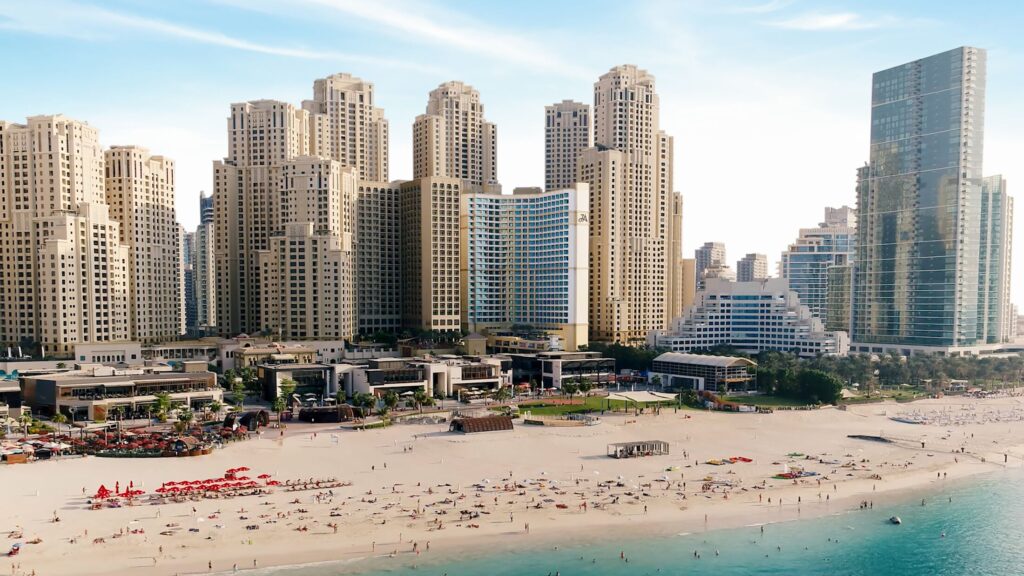
Dubai, by contrast, is surrounded by water but has almost none of its own. It sits beside the Persian Gulf, where ships and tankers line the horizon. Water here is a luxury, desalinated and pumped across the desert to sustain fountains, golf courses, and artificial lakes. I swam one afternoon in the warm waters of the Red Sea — 85++ degrees, calm, and very salty — and marveled that in Bhutan I had stood days earlier beside icy rivers too cold to touch.
TRAFFIC AND FLOW
There are no traffic lights in all of Bhutan. Not one. In the capital city, a white-gloved policeman stands at a central intersection, gracefully directing cars by hand — and doing so with surprising calm.
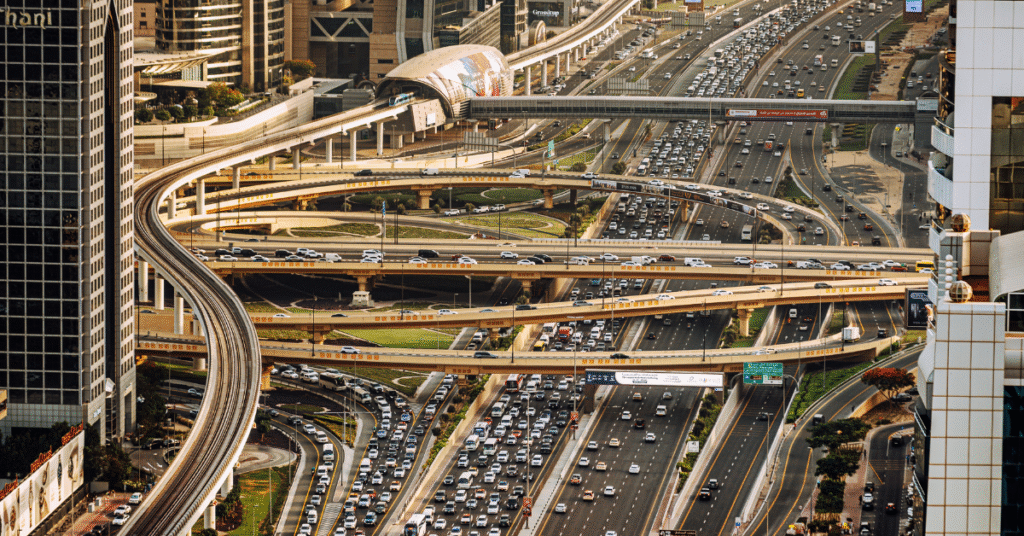
In Dubai, there are thousands of traffic lights, guiding a ballet of Bentleys, Lamborghinis, and construction trucks. Roads are eight or ten lanes wide, lined with signs, signals, and speed cameras.
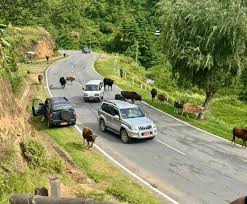
Bhutan’s pace is set by mountain curves and the occasional cow, horse or yak in the road. Dubai’s by horsepower and air-conditioning.
ARCHITECTURE AND AESTHETICS
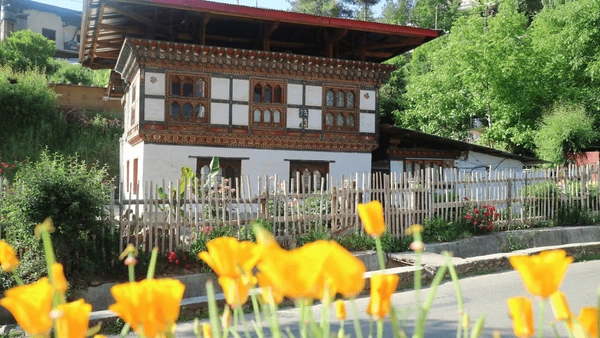
Bhutan’s architecture is handmade, spiritual, and grounded in centuries of tradition. Each house, with its carved windows and painted symbols, tells a story of faith and continuity. Even government offices resemble monasteries.
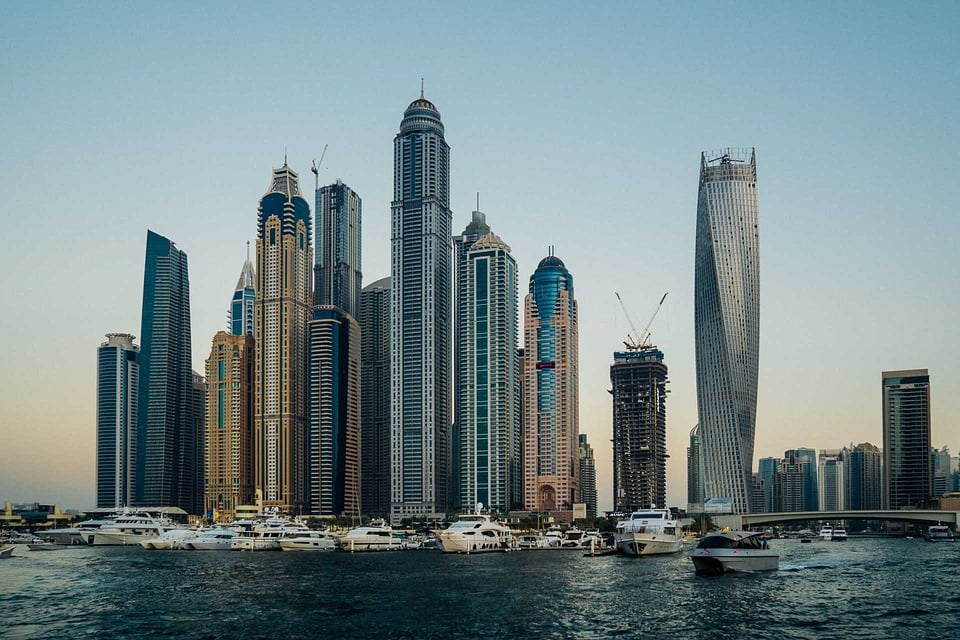
Dubai’s skyline, meanwhile, is an architect’s playground — futuristic, sculptural, global. Buildings resemble sails, torches, twisting towers, and shimmering dunes. Glass replaces stone. Elevators replace stairways.
Bhutan’s architecture looks inward. Dubai’s looks to the stars.
TWO VISIONS OF PROGRESS
It’s tempting to call one humble and the other excessive. But I’ve come to see them as twin expressions of the same human impulse — to rise above the ordinary. Bhutan reaches upward to find meaning. Dubai reaches upward to make its mark. One reaches toward the divine; the other toward the dazzling.
Both succeed, in their own ways. One builds peace, the other power. And perhaps both remind us that every culture — and every person — must decide which kind of height they are striving for.
Something for everyone! Thanks Neil. Make your next jaunt to Gaza and Jerusalem to see the contrast in visions. It’s been 40 years since I spent 9 days there and it too, like Dubai has changed, but Bhutan seems t0 remain the same. Contrasting religions makes such a difference.
I prefer Bhutan. The simple way of life, meaningful, relaxed, honest, and so forth. Thanks for showing us both sides of existence.Love your blogs and your insights. Keep them coming.
I too enjoy reading nielstrips!! For me it’s Neil’s Travelogue is as good or even better than going there!!