I did not come to Cape Kennedy as a space enthusiast.
Quite the opposite.
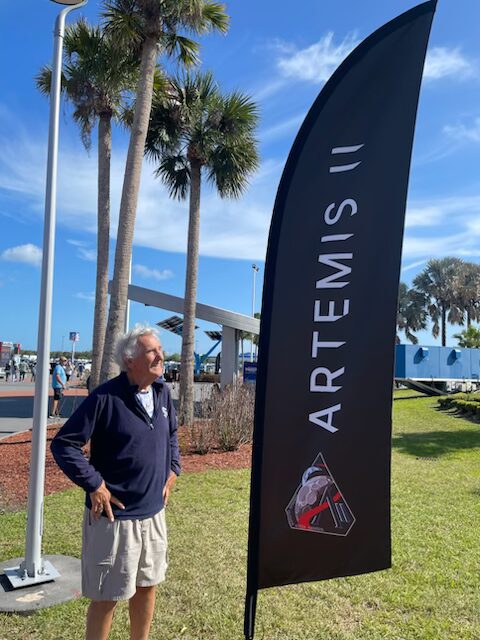
I came as a curious outsider, a rookie, someone drawn less by prior knowledge than by the suspicion that this might be a once-in-a-lifetime experience. I knew very little about rockets, missions, lunar trajectories, contractors, heat shields, or translunar anything. Frankly, I had gone through most of my life with relatively little interest in space exploration.
And yet, after three days immersed in the world of Artemis II, I left thinking differently.
Not because I suddenly became an expert.
But because I began to understand, in a more personal way, why this matters.
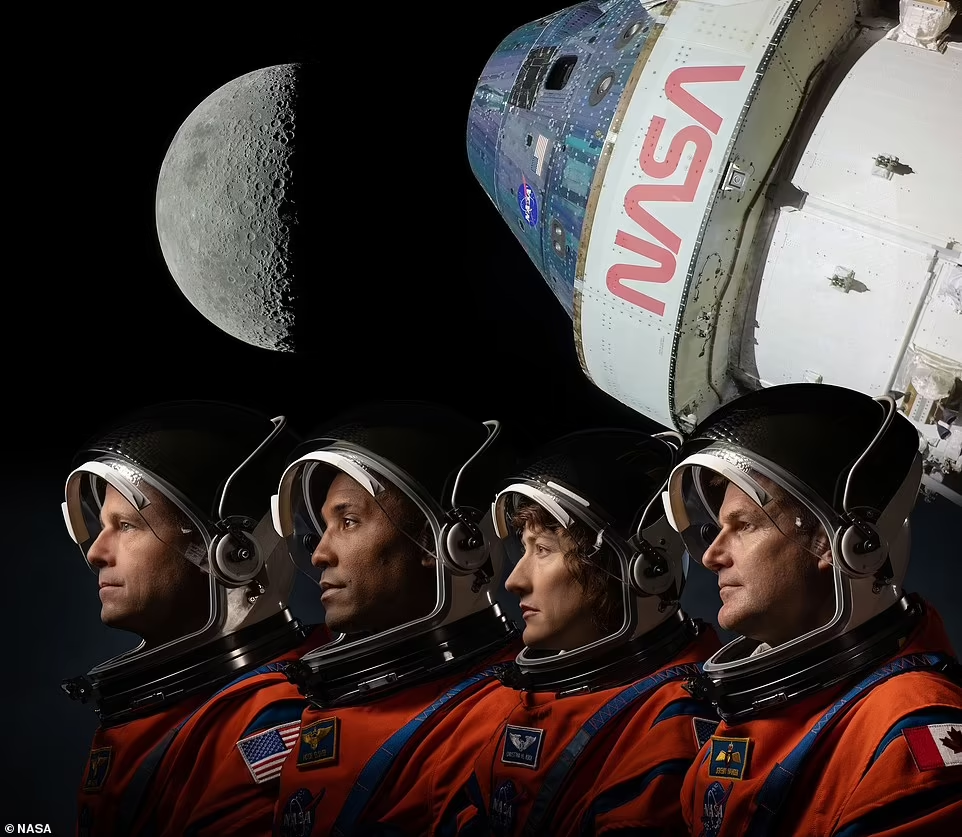
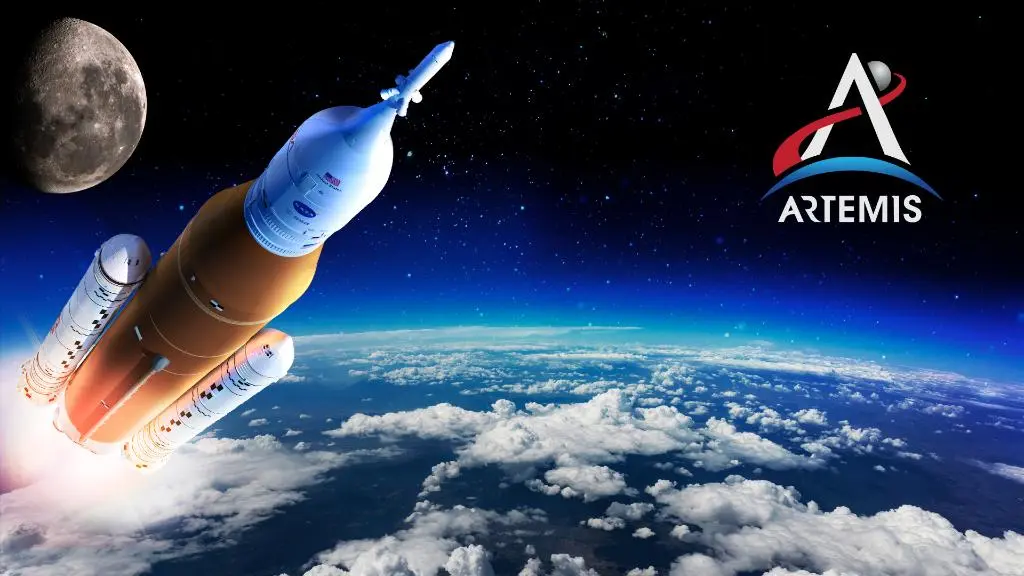
Part of it was the launch itself, of course. Watching Artemis II lift off on April 1, 2026, on the first crewed lunar mission in more than half a century was dramatic enough to make anyone stop and take stock. The mission sent four astronauts on a roughly 10-day flight around the Moon and back, carrying human beings farther from Earth than any crew has traveled before.
But what changed me more than the launch was everything around it.
It was sitting with people who had devoted twenty and thirty years of their lives to this work. It was hearing them talk in a language I barely understood, yet sensing the pride, commitment, and seriousness behind their words. It was realizing that something like this does not happen because of one astronaut, one president, one contractor, or one burst of national enthusiasm.
It happens because thousands of people stay with a hard thing for a very long time.
That realization alone gave me a different respect for space efforts.
NASA describes Artemis not simply as a return to the Moon, but as a program aimed at scientific discovery, long-term exploration, commercial growth, and preparation for future missions to Mars. Before this trip, I might have heard language like that and let it wash over me. Now it feels more concrete.
Space matters because exploration matters.
Human beings need frontiers. Not only for national pride, and not only because rivals on Earth are watching, though both of those matter. Space matters because it forces us to imagine bigger, build better, cooperate longer, and think further ahead than we otherwise might.
It also matters because the benefits do not stay in space.
NASA says its Moon-to-Mars activities generated billions of dollars in economic output and supported tens of thousands of jobs in the United States. Beyond that, technologies developed for space work have a long history of producing practical spinoffs that find their way back into ordinary life. In other words, this is not only about flags, footprints, and prestige. It is also about innovation, engineering, communications, materials, medicine, and economic opportunity.
I also came away realizing that space is no longer just a scientific project. It has strategic weight. China is moving aggressively in lunar space, and if the United States wants to help shape the future rules, norms, and uses of space, it cannot afford to sit back. At the same time, this future will depend on practical infrastructure as much as inspiration. NASA and the Department of Energy are already working on lunar surface fission power systems designed to provide continuous electricity for sustained missions. In other words, the next chapter of space exploration is not only about getting there. It is about learning how to stay, operate, and lead.
And then there is the role of the private sector.
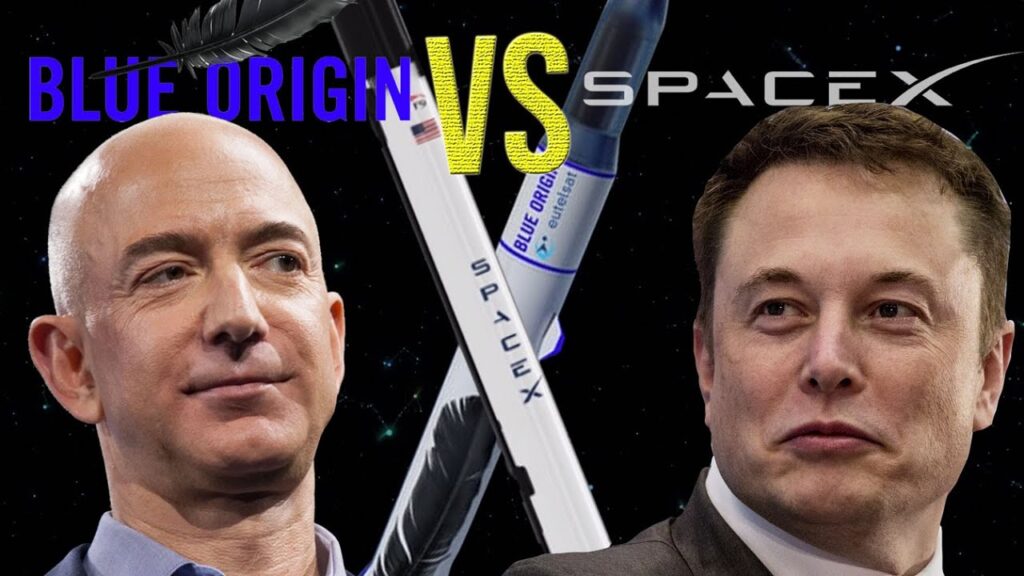
One of the things that most struck me on this trip was how many companies, large and small, are now part of this story. That seems healthy to me. The entry of private enterprise into space has brought new energy, new competition, and new possibilities. At the same time, what I saw also reinforced something else: this still requires public leadership. Missions like Artemis II do not happen without long-term federal commitment, public funding, political support, and a national willingness to invest in difficult things whose payoff may not be fully visible for years.
That may be one of the most important lessons I brought home.
Some things are too big, too complex, and too consequential to be left only to the market. But they are also too dynamic and fast-moving to be left only to government. The future of space, it seems to me, will require both: the reach and legitimacy of public purpose, and the creativity and urgency of private initiative.
Before this trip, if someone had asked me to make the case for continued space exploration, I might have offered a vague answer about curiosity and science.
Now I would say more.

I would say it matters because it stretches human ambition.
It matters because it gives talented people hard problems worthy of their gifts.
It matters because it reminds us that a nation can still do something magnificent.
It matters because a society that stops exploring may also begin, slowly, to stop imagining.
And maybe that is why this trip affected me more than I expected.
I did not go to Florida looking for a new opinion about space policy.
I went because I thought it might be amazing to see.
It was.
But it was more than that.
It was a reminder that there are still large undertakings in this world that call forth intelligence, patience, courage, cooperation, and vision on a grand scale.
And in these times, that felt not only impressive.
It felt necessary.
Indeed, as you say “It matters because it reminds us that a nation can still do something magnificent.” I’d add “if it humbly resists the urge and hubris to needlessly offend allies, friends and neighbours”. A lesson being learned even as these words are being typed.