One of the unexpected pleasures of my few days at Cape Kennedy was being reminded of something I loved in school and had not thought much about in years: Greek mythology.
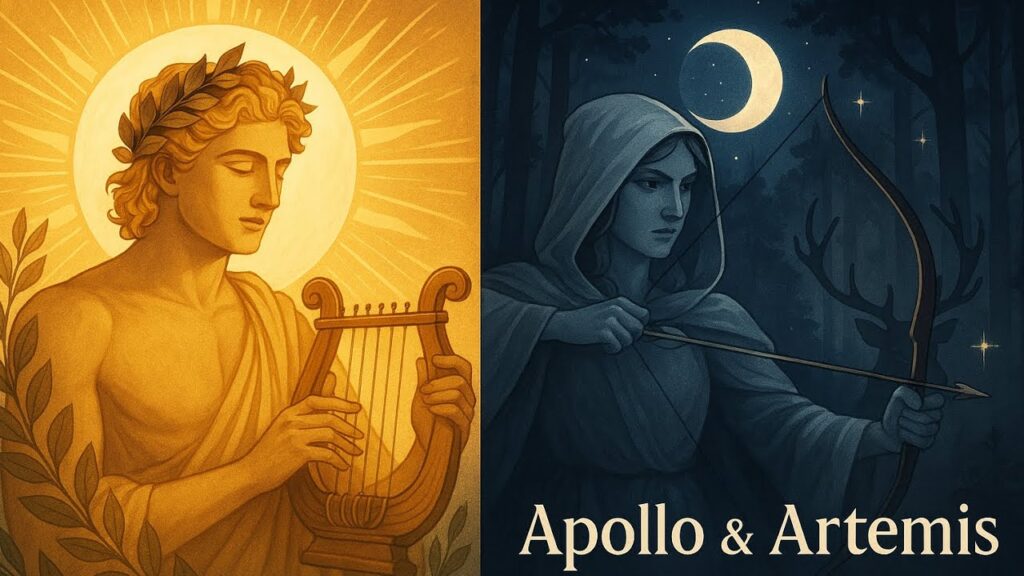
There was something oddly satisfying about learning — or perhaps remembering — that NASA’s Artemis program was named for Artemis, the twin sister of Apollo, the very Apollo whose name defined America’s first great journey to the Moon. NASA says Artemis is the goddess of the Moon in Greek mythology, which makes the pairing both obvious and elegant.
I like that.
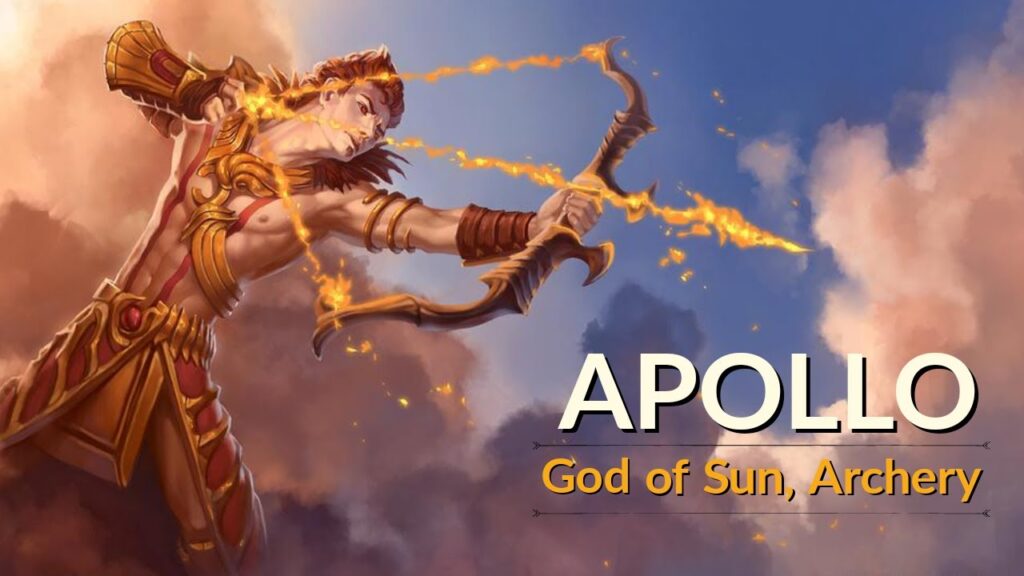
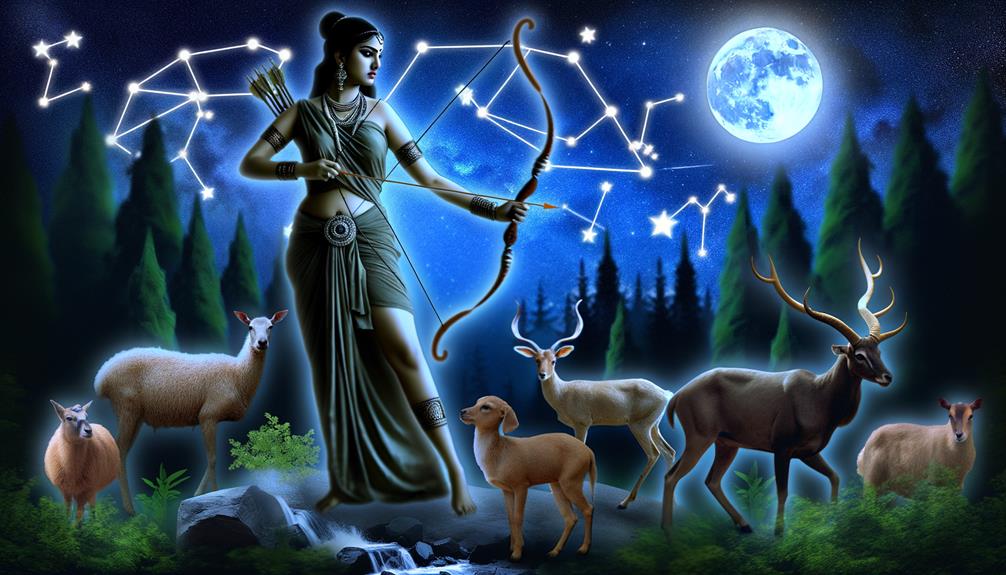
Apollo came first, of course. In myth, Apollo is associated with light, the Sun, music, prophecy, and reason. Artemis, his twin sister, is a different kind of force: goddess of the Moon, the hunt, wild nature, and independence. She feels less polished, less public, a little more mysterious.
That seems fitting somehow.
The Apollo missions had about them a kind of bold, bright, chest-out confidence. We were going to the Moon because we had decided to do it, because the country had the will, the money, the engineers, and the nerve. Apollo feels, in retrospect, sunlit — full of swagger, clarity, and national purpose.
Artemis feels different.
Not weaker. Just different.
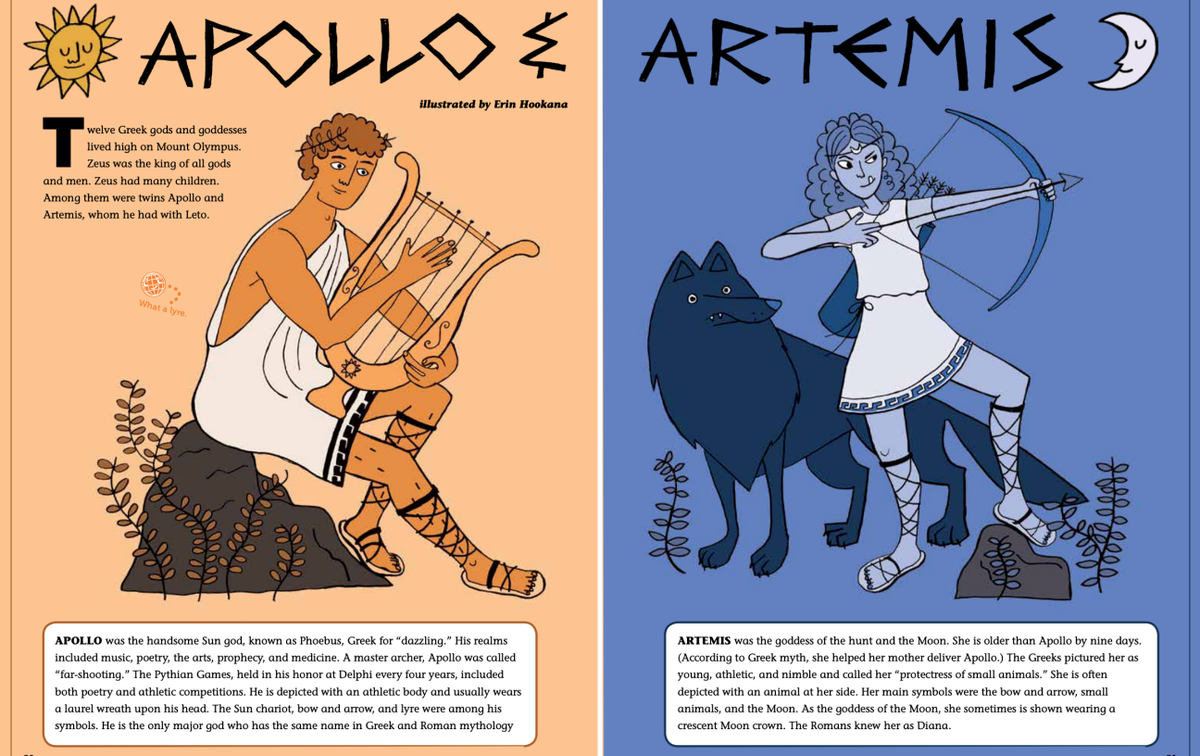
Artemis suggests a return that is perhaps more thoughtful, more patient, and maybe a little humbler. Apollo planted the flag. Artemis seems to ask what comes next. Apollo proved we could get there. Artemis asks whether we can learn to stay, to build, to explore more deeply and more sustainably.
And perhaps there is something else in the symbolism too.
It took a very long time for Apollo’s twin sister to get her turn.
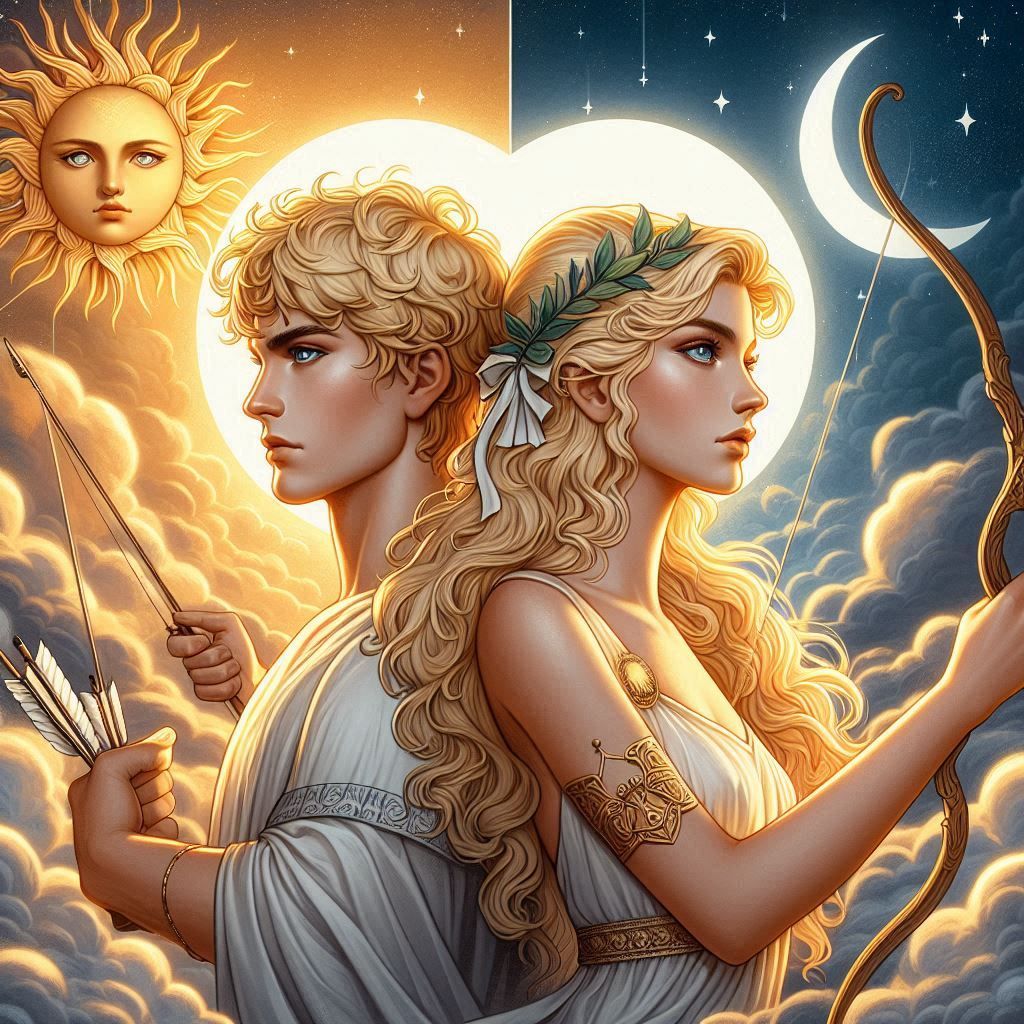
NASA has openly tied Artemis to a new era, one intended to include not just returning humans to the Moon but broadening who gets represented in that journey. In that sense, the name is not just mythological. It is cultural. It says: this is connected to Apollo, but it is not simply Apollo repeated.
I find that appealing.
And I confess, I enjoy the idea that somewhere in the middle of all this breathtaking machinery — the thrust, the heat shields, the countdown clocks, the boosters, the politics, the contractors, the billions of dollars — there sits an old story from Greece.
A brother.
A sister.
The Sun.
The Moon.
And now, more than fifty years after Apollo, the sister gets her shot.
Maybe that is just clever branding.
But maybe it is something more.
Maybe it is a reminder that even our most advanced technologies still reach back for ancient stories to help explain what we are doing. We do not live by engineering alone. We also live by symbol, metaphor, memory, and myth.
And frankly, I am glad we do.
Because “Artemis II” sounds a lot better than “Lunar Program Phase Whatever.”
👍
Indeed as you say, “the country had the will, the money and the engineering”. What’s omitted is the cooperation of others. Canada has and is playing a significant role in this endeavour. Perhaps the next one may be called Harmonia, the Greek goddess of harmony and cooperation. The optics to the world just might be a bit more appealing than “swagger”.
Love this Neil!