There is something odd about a rocket launch.
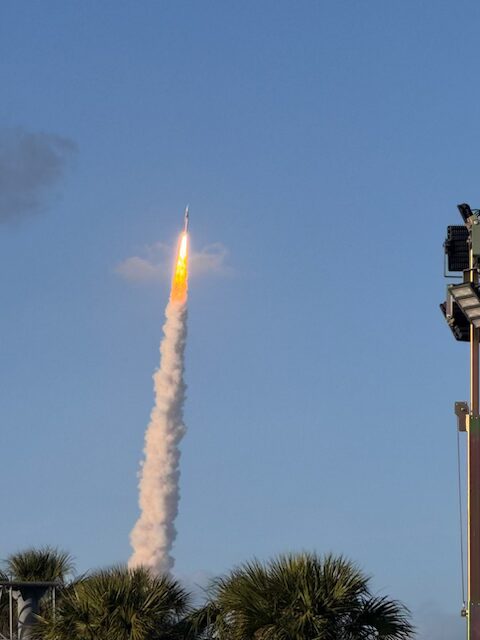
You see it before you hear it.
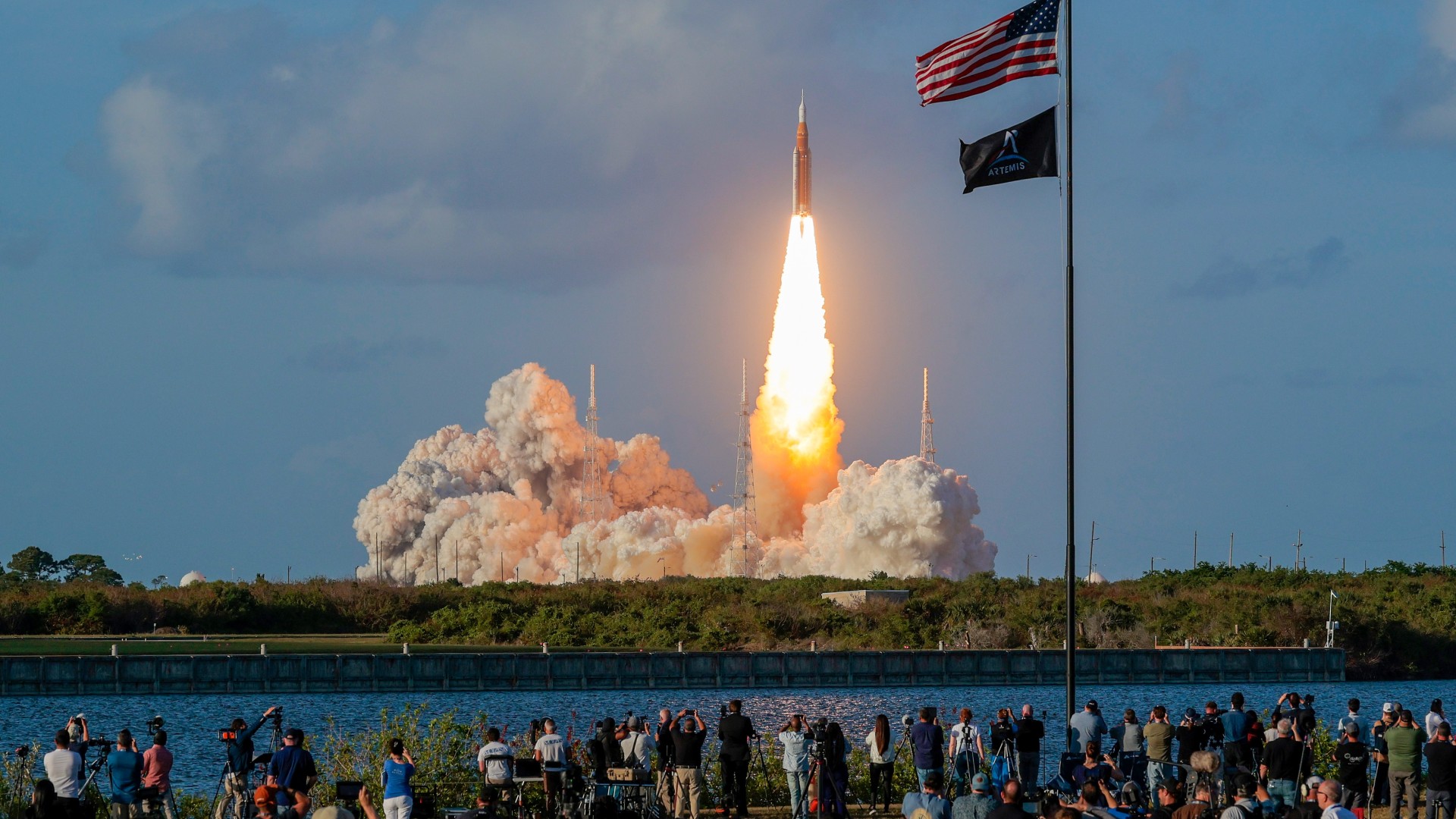
That was one of the first things that struck me at Cape Kennedy. The spacecraft lifts off, you can clearly see it rising, and yet for a few moments your eyes are ahead of your ears. Then, only afterward, the sound arrives.
And when it arrives, it is dramatic.
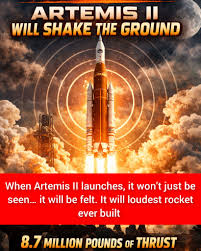
It is very, very loud. It seems to swoop down on you, almost rush at you, and it is startling. What had looked almost graceful from a distance suddenly becomes something else entirely — raw force, sound catching up with sight.
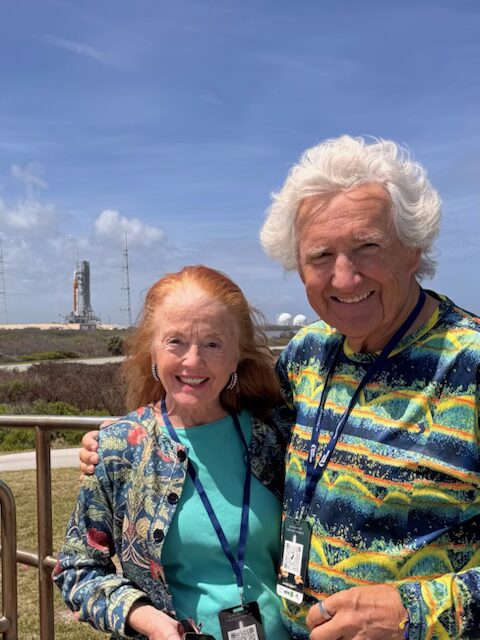
I had experienced that earlier in the week with a SpaceX launch, so when Alexis and I returned to watch Artemis II, I knew what was coming — or thought I did. Even when you expect it, it still feels uncanny. You are watching this huge event unfold in real time, but part of it reaches you later.
This time, interestingly, we did not feel the same physical pressure in the body that I had noticed during the earlier SpaceX launch. I am not sure why. It may have been where we were standing, the weather, the wind, or something else entirely. But the delay between sight and sound was unmistakable.
And powerful.
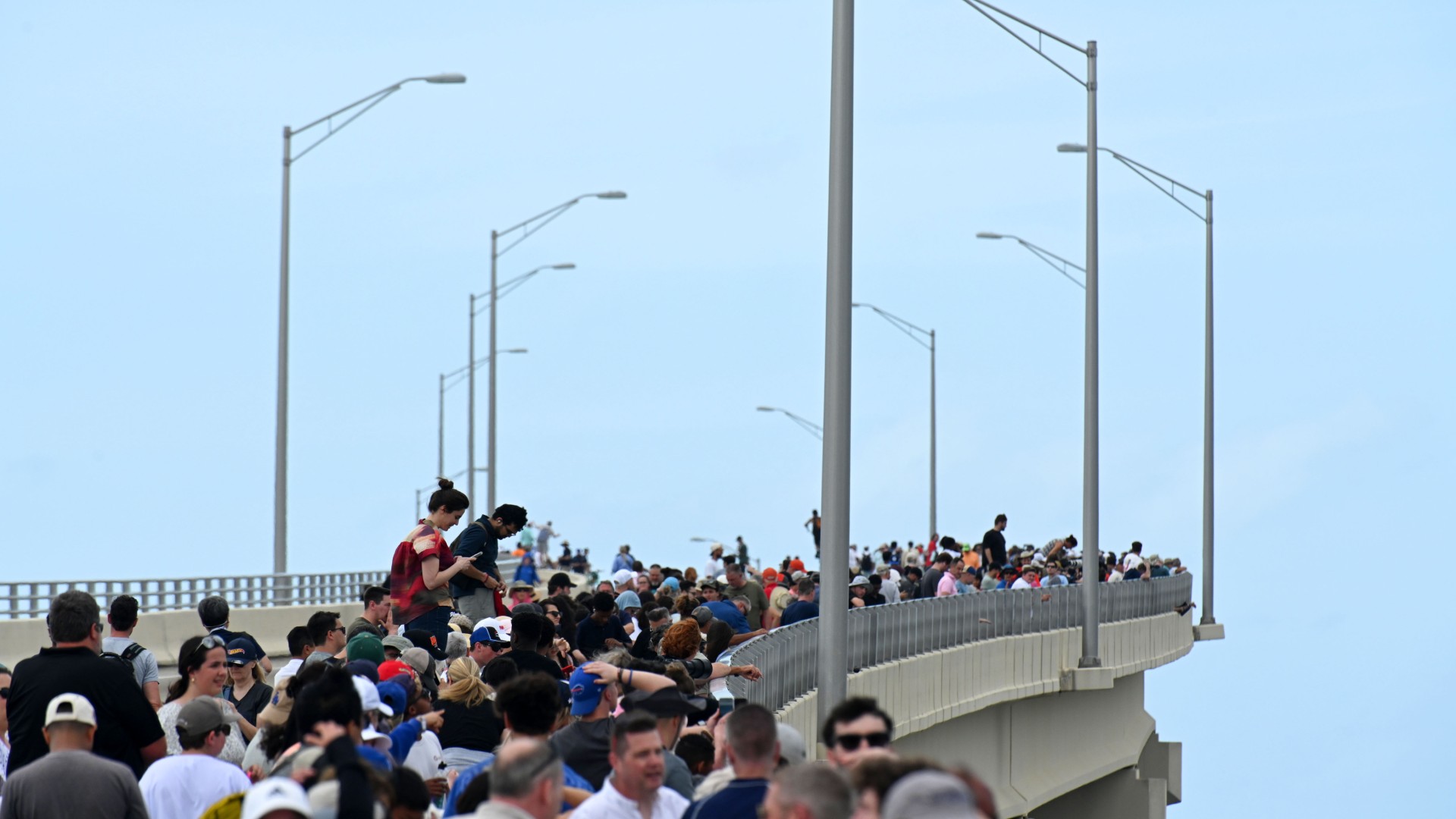
What also struck me was how many people were willing to arrange part of their lives around seeing it. Estimates were that roughly 400,000 people watched from the general area, and I would not be surprised if the true number was even larger.

My sister and brother-in-law, two hours away in Stuart, could see it from where they were. Closer in, the whole region seemed drawn toward the same moment. Roads were lined with parked cars. People claimed spots hours in advance. Families brought lawn chairs and settled into parks along the waterway, waiting patiently for a good view.
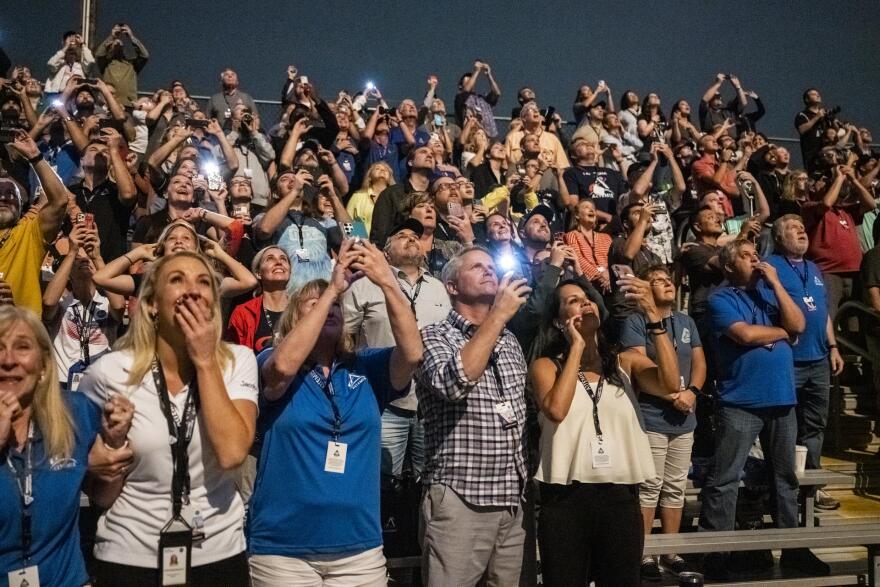
We were fortunate to have special access to the visitor center, where we stood among thousands of others, all of us there for the same reason. Young people. Older people. Families. Serious space buffs. Curious tourists. People from all walks of life. For a little while, all of them were focused on the exact same thing.
I found that moving.
In an age when so many of us experience major events through screens, here were hundreds of thousands of people willing to leave home, wait for hours, fight traffic, and stand shoulder to shoulder with strangers just to watch something rise into the sky. There was something almost old-fashioned about that, and something heartening too.
The launch itself was spectacular. But what may stay with me almost as much was the collective attention it commanded. In a fragmented world, this was one of those rare moments when huge numbers of people were looking in the same direction, waiting for the same instant, and sharing the same sense of anticipation. I felt lucky to be there.
Then came the trip home.
If the launch was majestic, the exit was not. The traffic jam afterward was horrendous. It took forever to get out. Cars crawling, roads packed, patience tested. But even that seemed part of the experience. You do not gather that many people around something extraordinary without paying a price on the back end.
What I carry away most from that night is not just the image of the spacecraft climbing upward. It is the whole sequence: the preparation, the waiting, the flash of liftoff, the pause before the sound, the sound rushing in, the shared awe of the crowd, and then the slow crawl back to ordinary life.
Maybe that is part of what makes a launch so memorable.
It is not only the rocket.
It is the buildup. The anticipation. The community. The reminder that some things in life are important enough that people will gladly wait for them, travel for them, and inconvenience themselves for them.
And perhaps that is why the sound arrives late.
You see something extraordinary first. Only afterward do you fully feel it.