Once you know to look for it, you start seeing it everywhere.
Or, more accurately, not seeing it.
Miguel de Cervantes appears all over Madrid. Statues. Paintings. Monuments. Busts.
And his left hand seems strangely absent.
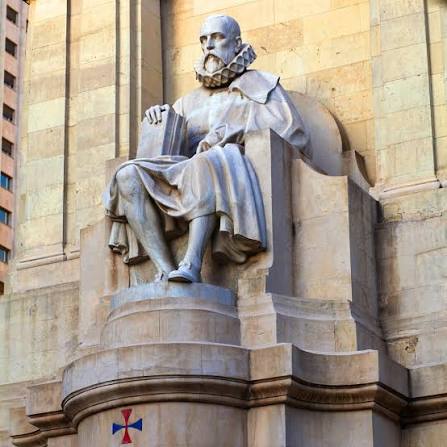
Hidden beneath a cape.
Tucked behind him.
Obscured.
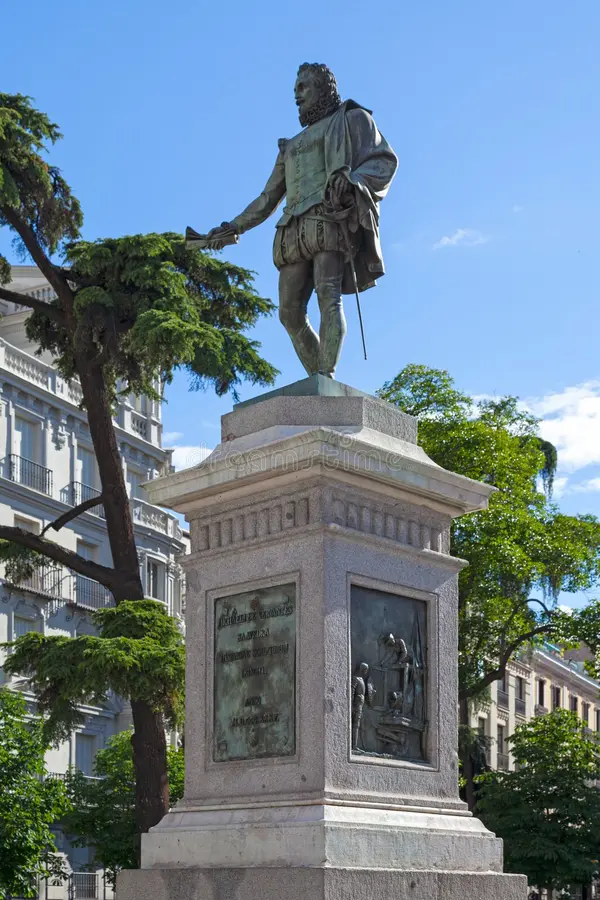
There is a reason.
Cervantes fought as a soldier at the Battle of Lepanto in 1571. He was seriously wounded, including in his left arm, and permanently lost the use of his left hand. He did not actually lose the hand, as is sometimes assumed from his famous nickname, “the one-handed man of Lepanto.” It simply no longer functioned normally.
That fact alone would make him interesting.
But it turns out that the man who created Don Quixote lived a life almost as improbable as anything he later invented.
After recovering from his wounds, Cervantes continued serving as a soldier.
Then, in 1575, on his way back to Spain, his ship was captured by North African corsairs.
He was taken to Algiers.
And held captive for five years.
Five years.
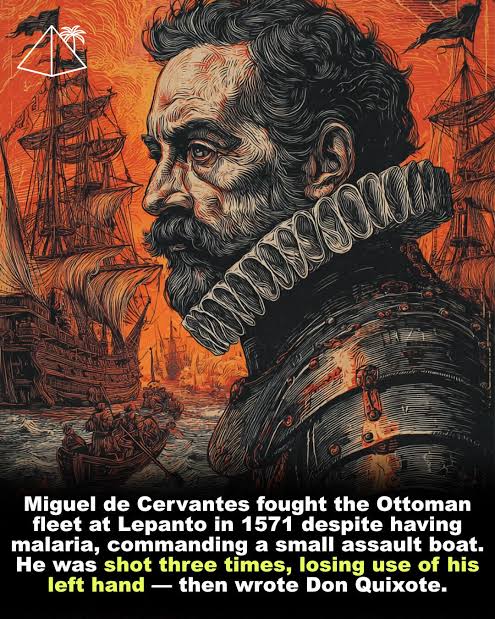
During that time, he repeatedly tried to escape. He failed again and again before finally being ransomed and returning to Spain.
That would be enough adventure for most lives.
Not Cervantes.
Back in Spain, he did not immediately become a celebrated literary figure.
Far from it.
He struggled financially.
He worked in government-related jobs, including collecting provisions and taxes.
He encountered legal problems.
He was imprisoned again.
For much of his life, success seemed to remain just beyond his reach.
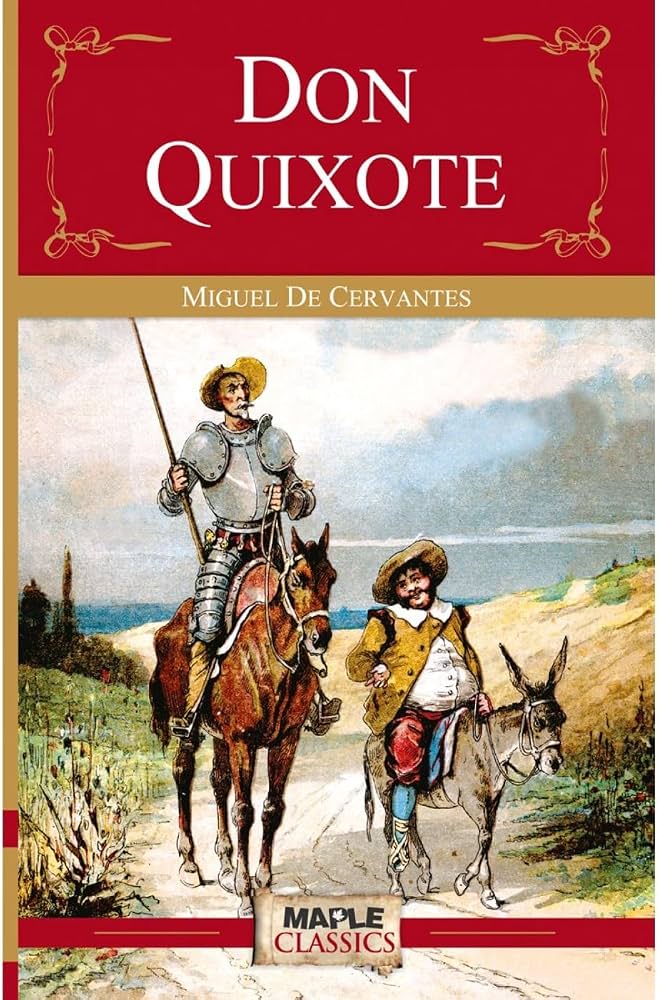
And somewhere in the middle of all of that came Don Quixote.
That is the part I find so fascinating.
Here was a man who knew reality.
Not theoretical hardship.
Real hardship.
War.
Physical injury.
Captivity.
Repeated failed escapes.
Financial problems.
Prison.
Disappointment.
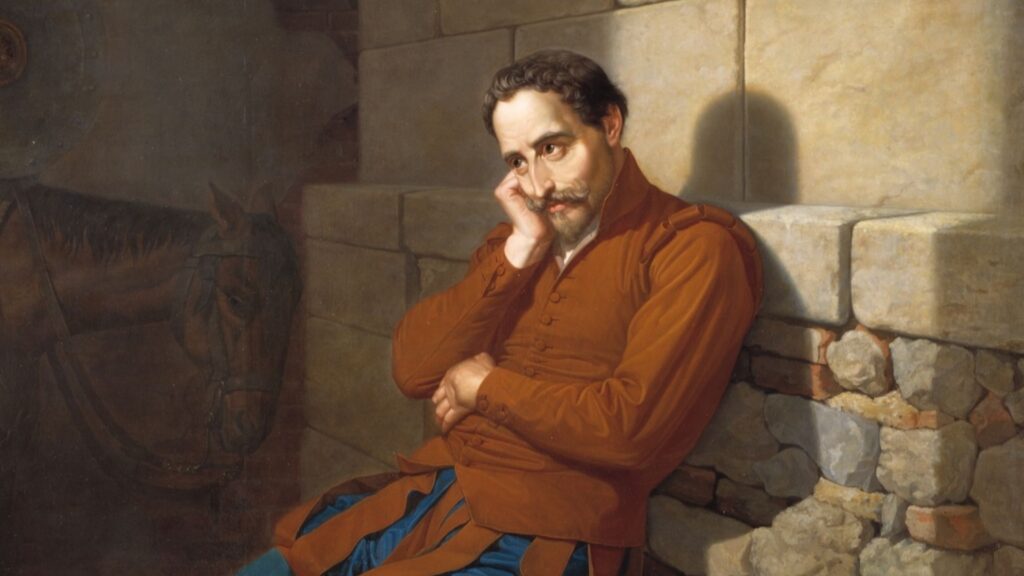
And yet he created one of literature’s greatest dreamers.
That seems important.
Don Quixote is constantly imagining a world grander than the one directly in front of him.
Windmills become giants.
Inns become castles.
Ordinary people become figures of nobility.
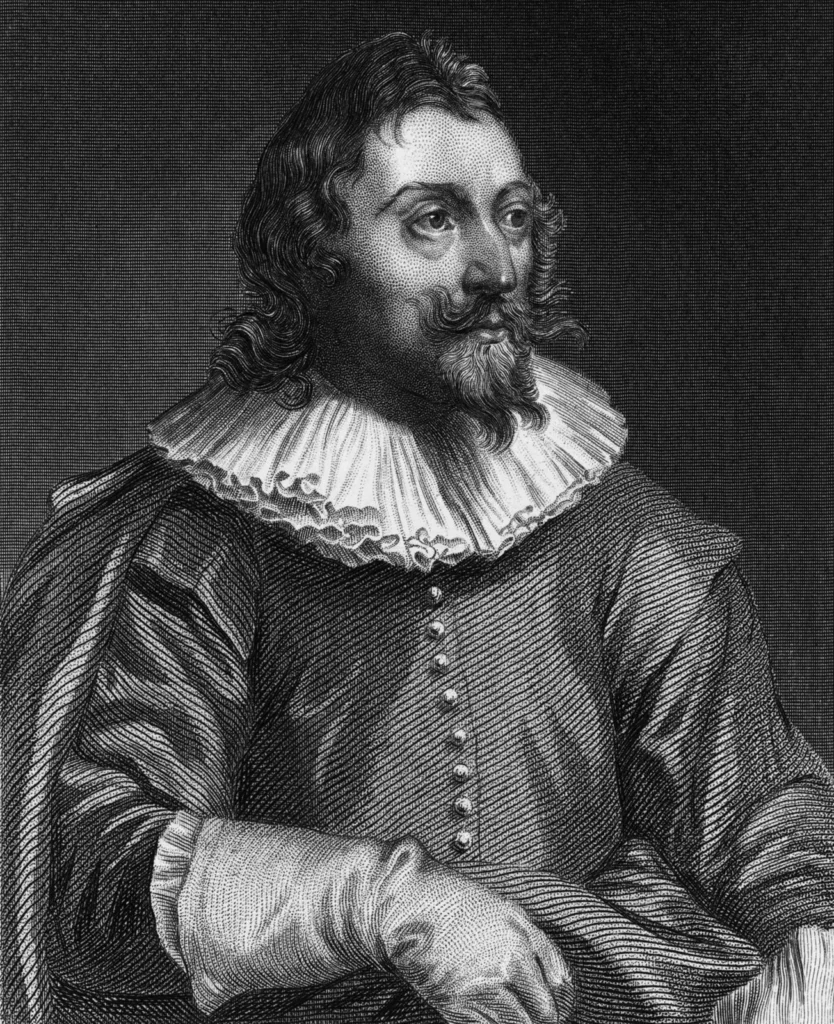
Cervantes, on the other hand, had plenty of reason to know exactly how unforgiving the real world could be.
Maybe that is why the book works.
It wasn’t written by someone who had never encountered reality.
It was written by someone who had encountered a great deal of it.
Perhaps you have to know something about disappointment before you can write convincingly about hope.
Perhaps you have to understand reality before you can appreciate the necessity of imagination.
There is another wonderful literary coincidence surrounding Cervantes.

He and William Shakespeare both died in 1616.
They are so closely associated in literary history that April 23 is often connected with the deaths of both men.
But even that story has a Cervantes-like twist.
They did not actually die on the same day.
Spain and England were using different calendars at the time, so the dates that appeared identical on paper did not represent the same twenty-four hours.
Even the story of their supposedly shared death date contains a little confusion between appearance and reality.
Which seems strangely appropriate.
Shakespeare became the towering figure of English literature.
Cervantes became something similar for the Spanish-speaking world.
Two men, writing in different countries and different languages, creating characters that would outlive governments, wars and empires.
And yet when I look at Cervantes now, I keep coming back to that hand.
The hand that does not quite appear in the paintings.
The hand tucked away in the statues.
The hand injured when Cervantes was still a young man, long before Don Quixote existed.
It reminds me that the person who created this extraordinary celebration of imagination did not have an easy life.
Quite the opposite.
He knew what it was to be wounded.
He knew what it was to be imprisoned.
He knew what it was to fail.
He knew what it was to keep trying.
And then he gave us a character who gets knocked down over and over again and keeps climbing back onto his horse.
Maybe that is not a coincidence.
Maybe Don Quixote’s impossible dream did not come from someone who failed to understand reality.
Maybe it came from someone who understood reality extraordinarily well—and decided that reality, by itself, was not enough.
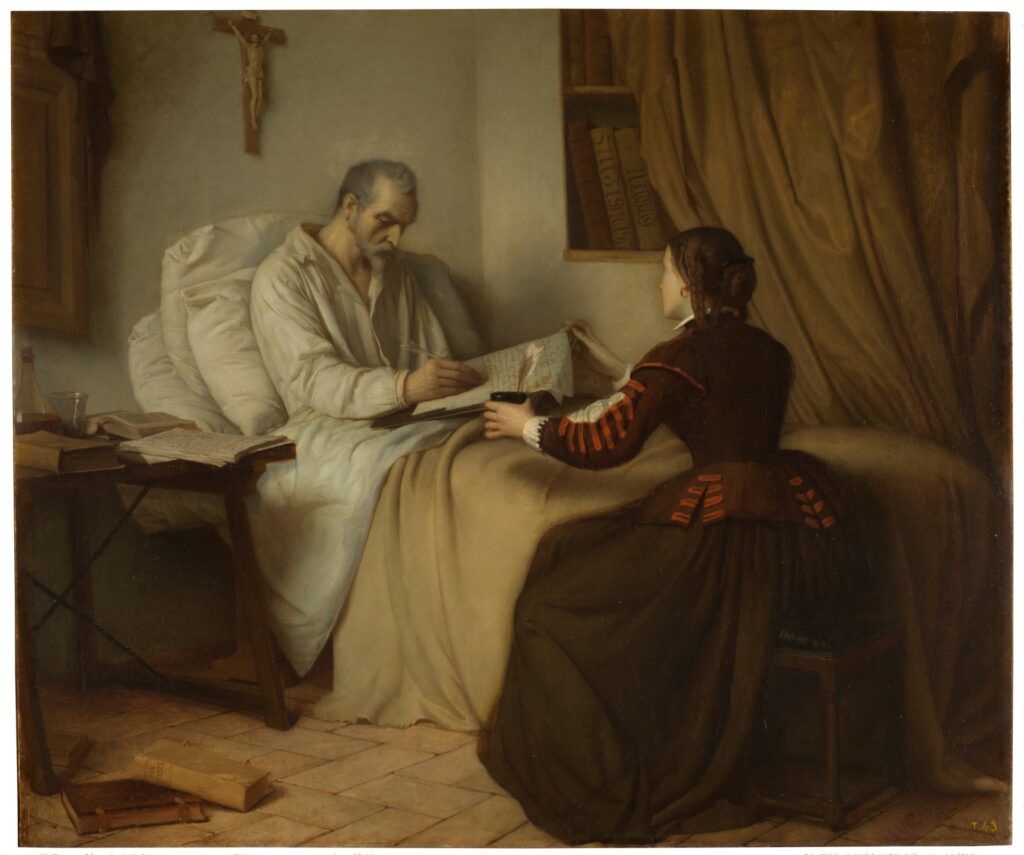
Nowadays names seem to be changed at the drop of a hat! Lake Ontario by some is now Lake America, just like the Gulf of America and I hear St Andreas Fault is being renamed Gavin Newsome’s Fault. It is all confusing for us up here in Canada Eh!
I suppose had his hand been totally lopped off, the Battle of Lepanto would be changed to Battle of Loppanto!