The other day I had one of those classic American experiences that has become almost a cliché: a trip to the DMV.
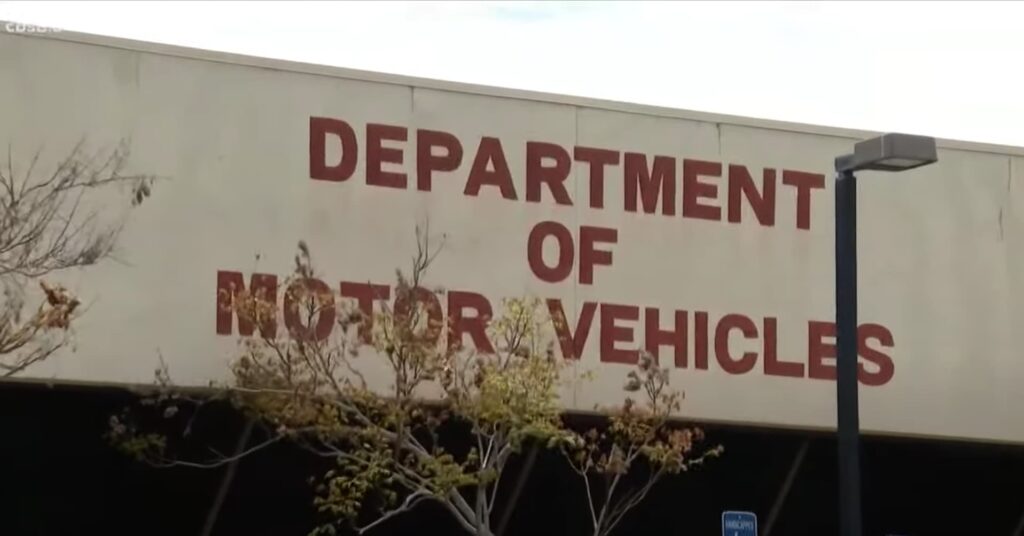
It did not go well.
And that bothered me not only because it tested my patience, but because experiences like this shape how people think about government itself.
There is a reason “going to the DMV” has for years been one of America’s stock horror stories. The DMV did not become a national punchline by accident. Its reputation was built over time — through long lines, endless paperwork, confusing requirements, and the sinking feeling that ordinary citizens were trapped inside a system that did not much care about their time. For many Americans, the DMV has become the place where bureaucracy puts on its worst face.
I walked right into that story.
I was in Denver, trying to get license plates for a recently purchased car. The county-run DMV opened at 7:00 a.m. I thought I was being clever. I told myself that if I got there early enough, I could avoid the nightmare stories that have followed DMVs around for decades.
What a joke.
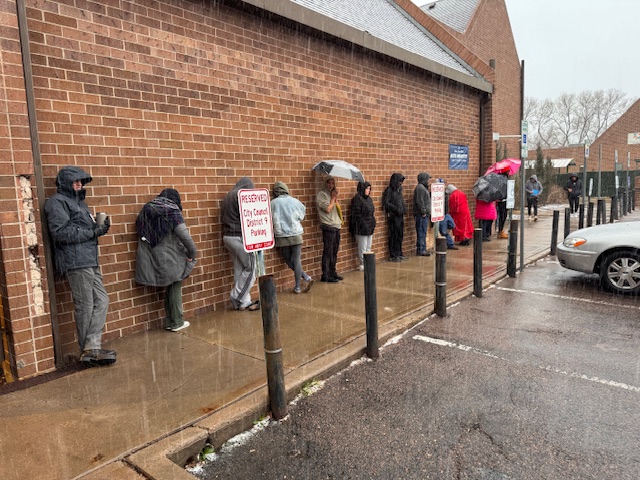
I arrived at 6:30 in the morning and was the 36th person in line.
Not the sixth. Not the sixteenth. The 36th.
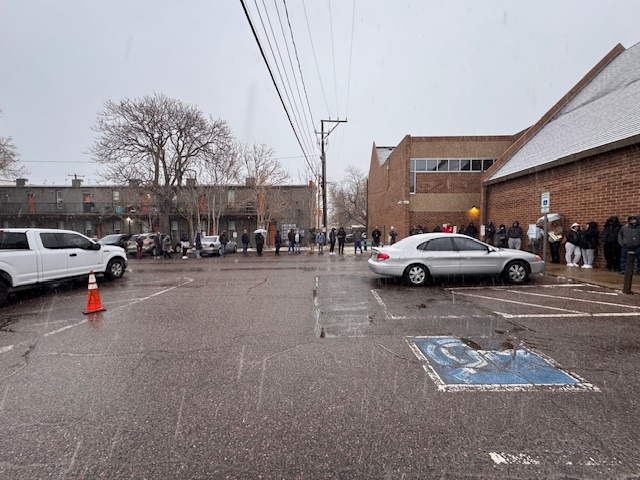
It was cold. Snowing. And all of us were standing outside. By the time the doors opened at 7:00, there were 78 people in line. So much for beating the crowd.
Then came phase two.
They let people in one at a time. By the time I got to the door, another 15 minutes had passed. The man at the desk asked if I had a cell phone. I said yes. He took my number and told me they would text me when it was my time to come farther into the building. In the meantime, I could wait in my car.
So back out I went.
Another half hour passed.
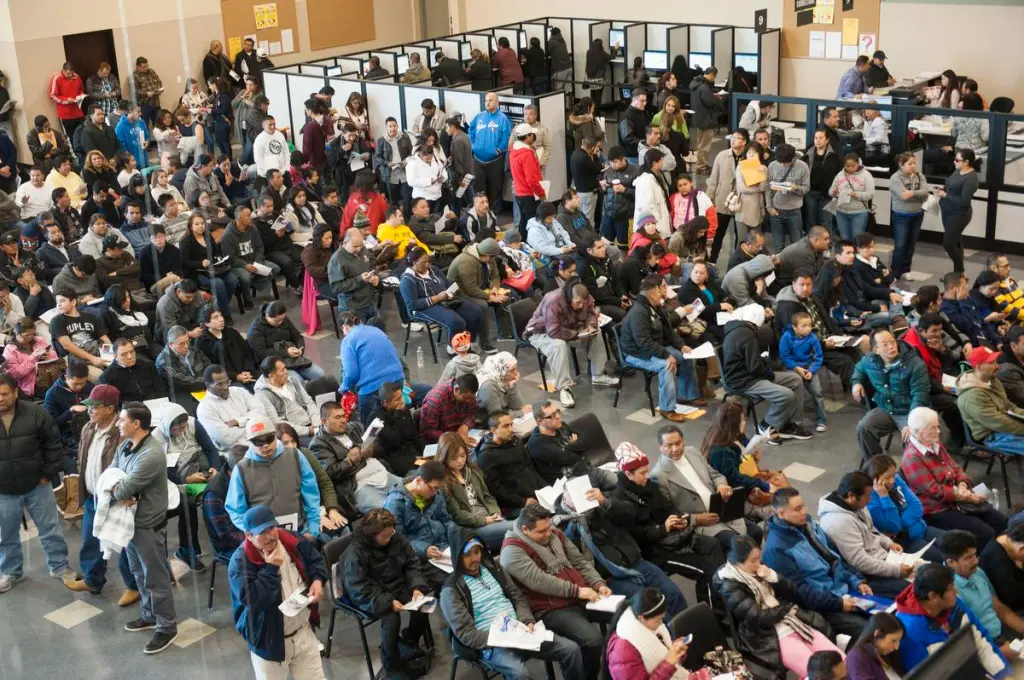
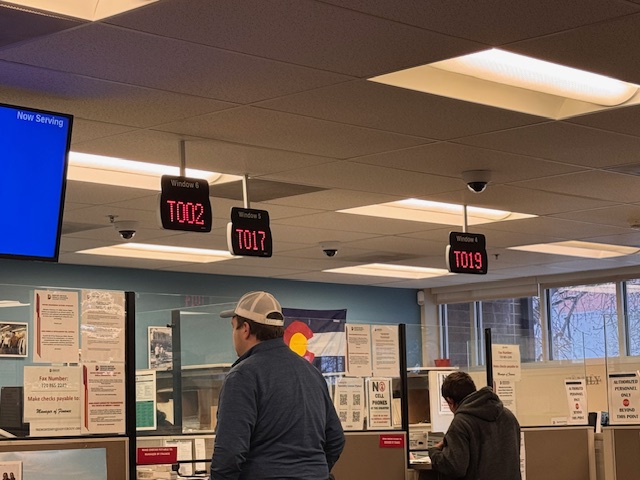
Finally the text came. I returned inside, where he handed me a card with a number on it and directed me to the waiting area — some 50 chairs in rows facing a line of service windows with glowing electronic numbers overhead. My number was 401.
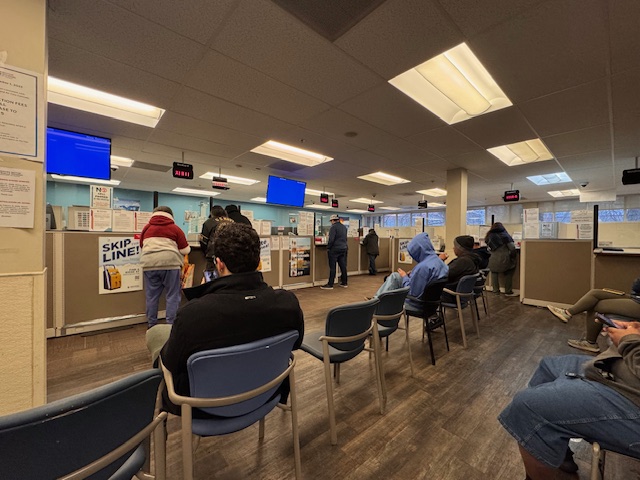
Then came phase three: sit, stare, and wait for the number.
Another 30 minutes passed before 401 appeared over one of the windows.
When it finally did, I walked up ready for battle. But here was the twist: the woman behind the glass was gracious, professional, and efficient. She handled my license plate needs well.
So this is not a story about a bad employee. Quite the opposite. The person I dealt with was good at her job.
It was the system getting to her that was the problem.
And that is what made me mad.
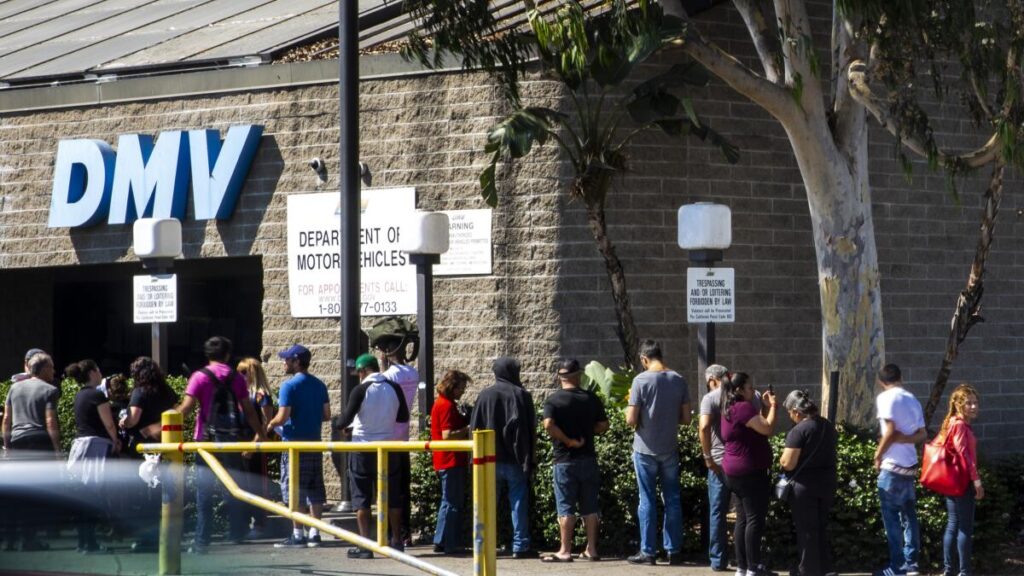
Because for many citizens, this is government. This is the face of the public sector. This is what they remember. Not the thousands of competent and caring public servants doing difficult work every day. Not the teacher, the firefighter, the snowplow driver, the public health nurse, or the park worker. No. What they remember is standing in the snow at 6:30 in the morning, being 36th in line before sunrise, and waiting for number 401 to light up.
And then they say, “Government never works.”
Having spent half of my career in the public sector, that is hard for me to hear.
Because I know better.
In fact, I had proof of that just a week later.
I went to a state-run DMV office in Colorado to get my Colorado driver’s license. That experience was almost the mirror opposite of the first one.
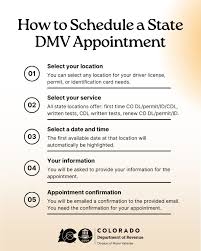
For starters, I had to make an appointment in advance for 3:00 p.m. There was adequate parking. I walked in ten minutes early, got my number, sat down, and waited. Right at 3:00, my number was called. I went to the window, where once again a professional, well-trained woman handled my issue efficiently and pleasantly. Within 20 minutes, I was out the door with a temporary Colorado driver’s license in hand.
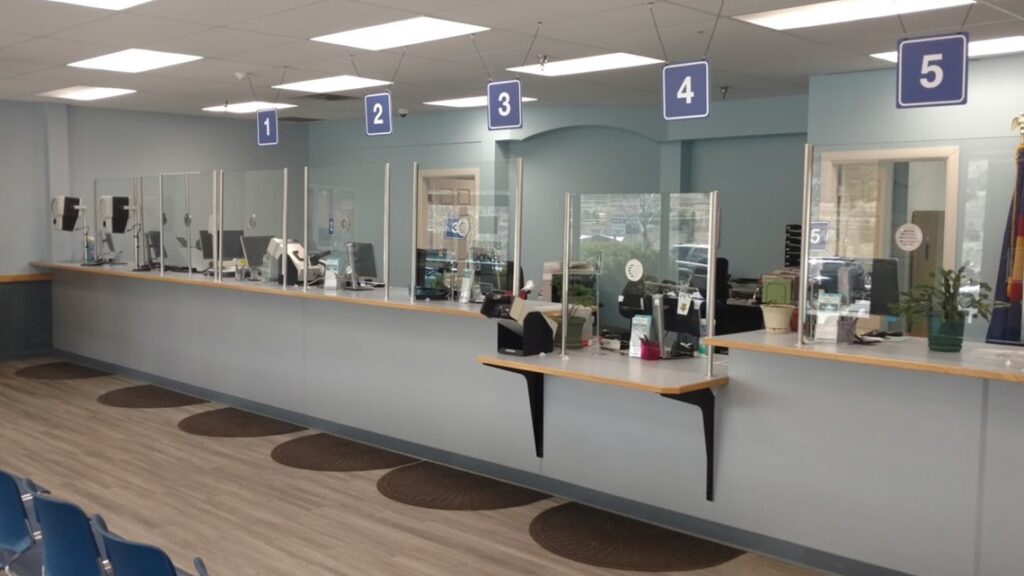
Same state. Similar function. Same basic public purpose.
Completely different experience.
That is what makes this so interesting to me.
The contrast says that the problem is not “government.” The problem is how government is organized and delivered. One system respected my time. The other consumed it. One system felt orderly and humane. The other felt like a stress test. One built confidence. The other undermined it.
That is an important distinction.
Because when government forces people to stand outside in the cold and snow before dawn just to get license plates, it is not merely inconvenient. It sends a message. It tells citizens their time does not matter very much. Their comfort does not matter very much. Their dignity does not matter very much either.
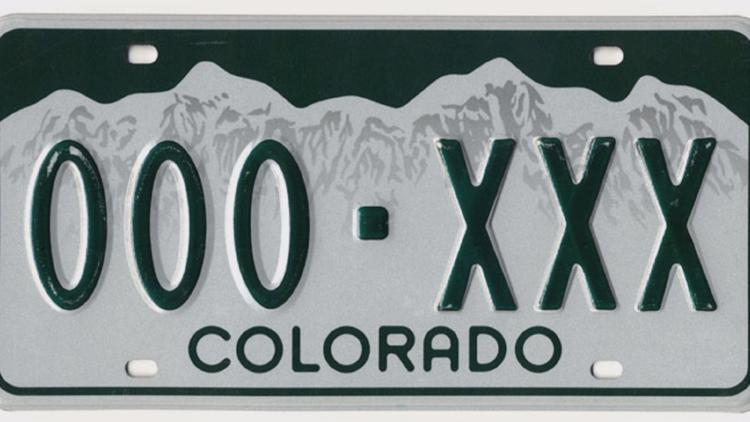
That is a high price to pay for a pair of license plates.
And the damage goes beyond one frustrating morning. Every miserable public experience chips away at public trust. It reinforces the worst stereotypes. It becomes one more story told over dinner, one more piece of evidence for people who want to believe that bureaucracy is indifferent, clumsy, and broken.
But my two Colorado DMV visits told a more nuanced story.
Government can be maddening. Government can also be efficient.
Government can waste your morning. Government can also honor your appointment, solve your problem, and get you back out the door in twenty minutes.
That is why the lesson here is not that government never works.
The lesson is that people remember the difference.
They remember when a system humiliates them.
They remember when a system respects them.
And from those small encounters, they draw much larger conclusions.
That may be unfair to the many public servants who do their jobs well, but it is real.
Which is why government has to care so much about the ordinary citizen experience. Not just the big policies. Not just the noble mission. But the cold morning, the parking lot, the line at the door, the waiting room, the number on the card, and the human being on the other side of the glass.
A pair of license plates and a temporary driver’s license are small things.
But public trust in government is not.
And sometimes that trust is built — or lost — in a waiting room chair, staring at a number on the wall.
Why are you getting Colorado plates and drivers license. I thought you were registered in Washington.
My same question.
alice and jennifer,
i have fallen in love with a wonderful woman from Denver, who is totally embedded in the Denver community. so, what is a man supposed to do?
neil
Somebody needs to get fired. Either the person in charge of the Denver Office or the Politician that puts up with this nonsense, not the excellent front line workers you dealt with.
If politicians just get elected by divine right and don’t ride herd on the operation, the electorate needs to vote them out OR the politician needs to fire the head of that office. Seems like someone does not care, be it the political level or the management level, but the public often puts up with it because they vote by rote.
I can’t hardly believe you got a new car!! Why didn’t the dealer get your plates?
lee,
the dealer did get me temporary plates, which expire after a couple of months. then, you have to get permanent plates.
neil
I guess I missed something Neil. You called the second DMV office ‘state’ run. Aren’t they all?
You write so eloquently why not send your experience to a congressman or someone that could make a difference in how the two offices are run.
WOW! you bought a new car! Why didn’t the dealer get you your plates?
Leading the soon to be mass exodus of Washington State residents? Sorry to see you go but understand completely. All the best!
betsy,
yes, but there is one major difference between me and the others leaving the state. i am not a billionaire.
neil
Move to Glenwood Springs. To renew my drivers license – with appointment – i was in and out in 10 mins.