I’ve just returned from Philadelphia, where I attended my fourth annual International Churchill Society conference.

I make no secret of my fascination with Winston Churchill. His leadership during World War II. His extraordinary command of the English language. His wit and humor. And perhaps above all, his remarkable ability to recover from one failure after another.
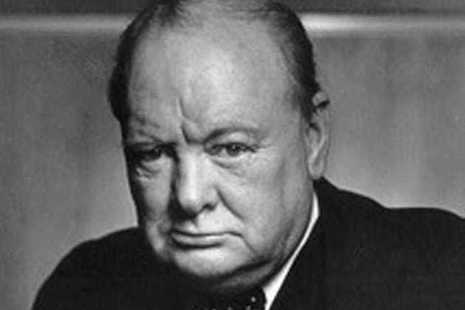
But this time I found myself thinking less about the man who led not just Britain, but in many ways the free world, through World War II. A man who, years before the war began, repeatedly warned about the dangers of Hitler and Nazi Germany when so many others refused to recognize the threat. A man whom I consider arguably the most important leader of the twentieth century. Without his foresight, courage, determination, and extraordinary leadership, the course of history might have been very different. Thank God for Winston Churchill.
Instead, I found myself thinking about the boy who preceded this extraordinary man.
A boy who hated much of his schooling. Who ranked near the bottom of his class. Who struggled to meet his father’s expectations. And who, at thirteen, tried desperately to explain to his mother why he wasn’t doing better.
It was a boy I found surprisingly easy to identify with.
And it made me wonder: If Winston Churchill were growing up today, would we recognize his potential—or simply label him a problem student?
A very unhappy schoolboy
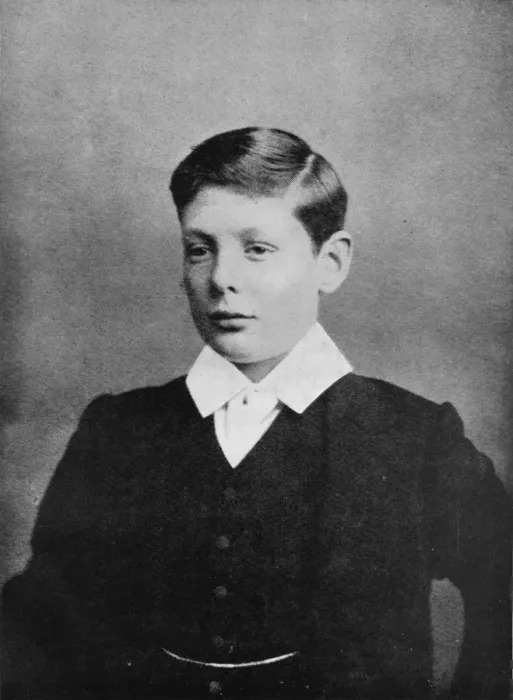
Winston was just seven years old in 1882 when he was sent away to his first boarding school, St. George’s, in England.
For an upper-class British family in Victorian times, sending young boys away to boarding school was not unusual. In American terms, Winston was barely a second grader.
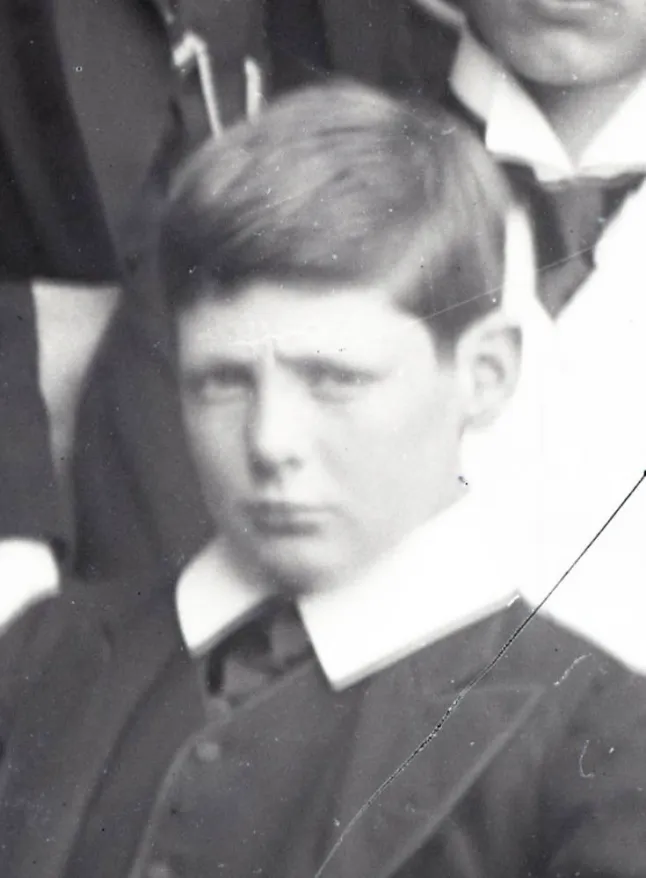
And he was miserable.
He missed home terribly. The school relied heavily on memorization, strict discipline, and corporal punishment. Winston struggled with his lessons and frequently got into trouble.
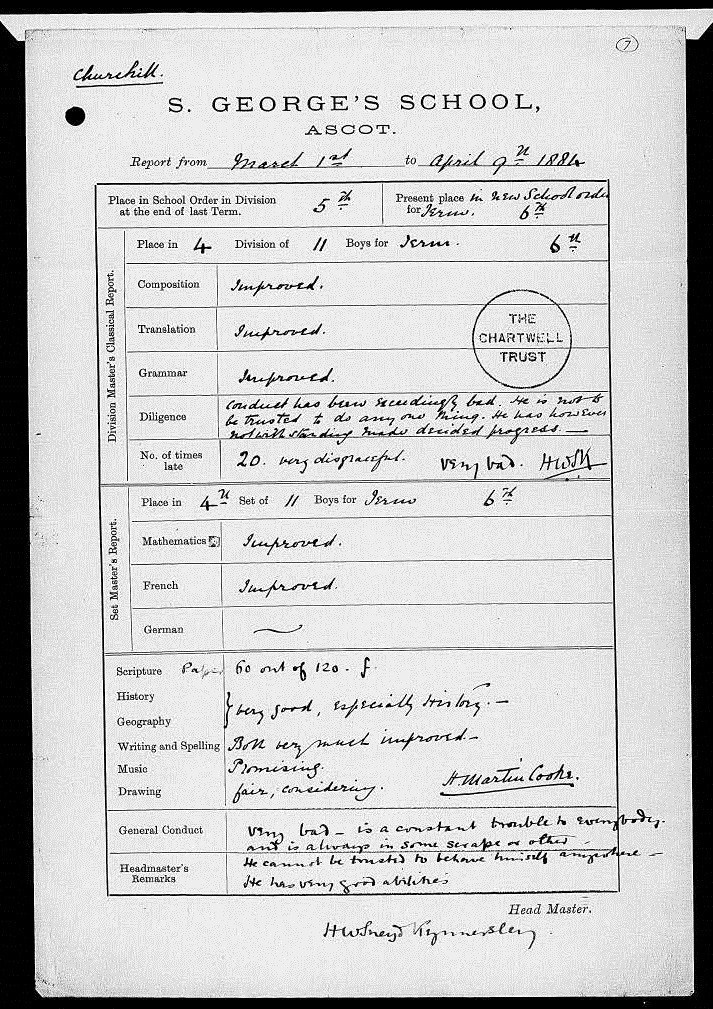
His father, Lord Randolph Churchill, was a prominent politician with high expectations for his son. Winston desperately wanted his approval but rarely seemed able to earn it.
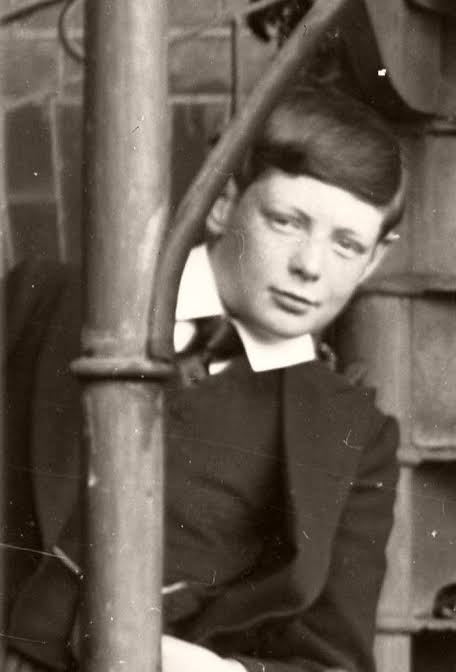
Fortunately, he had one adult who provided affection and emotional support: his beloved nanny, Mrs. Everest.
At about age ten, Winston moved to a more welcoming school near Brighton. There he was allowed to spend more time on subjects that interested him, including history and poetry. He was considerably happier.
The boy hadn’t fundamentally changed. His educational environment had.
Latin, Greek, and the bottom of the class
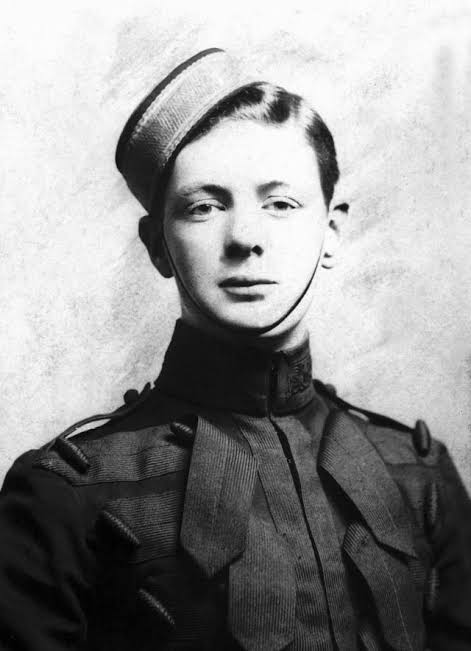
At thirteen, in 1888, Winston entered Harrow, one of England’s most prestigious boarding schools.
In American terms, he was roughly an eighth grader.
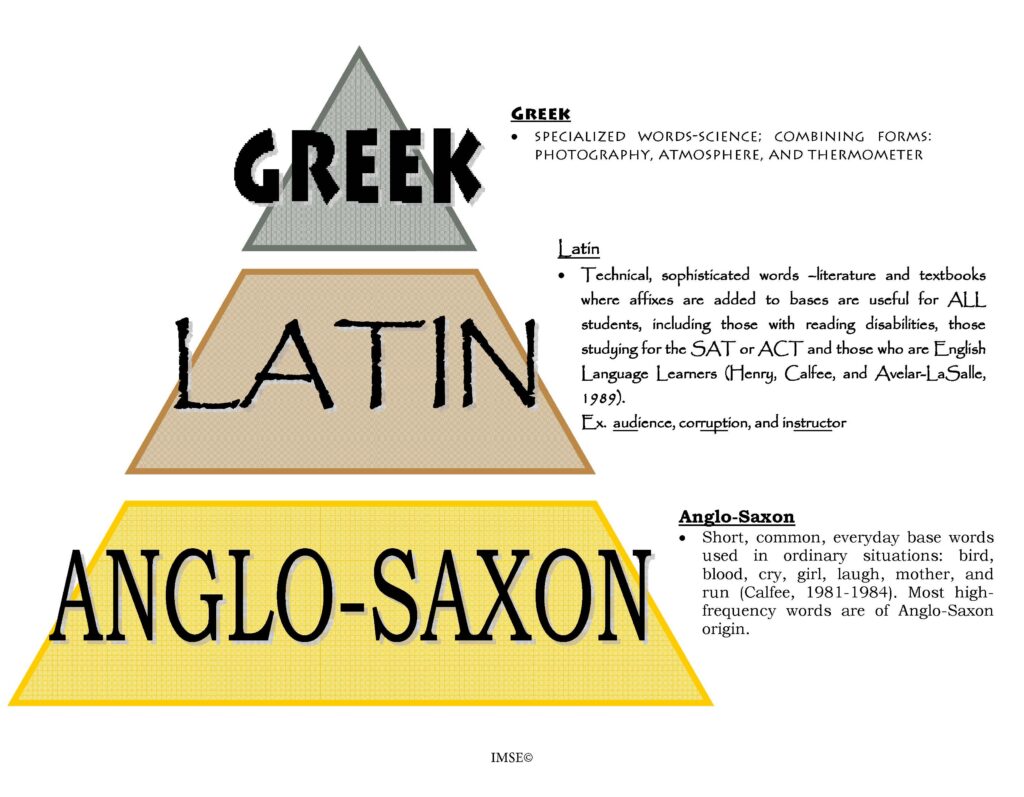
At Britain’s elite schools, Latin and ancient Greek were central to a classical education. They were considered essential preparation for university and for careers in government, law, and other professions. Memorizing grammar and translating ancient texts were standard requirements.
Unfortunately, they were also subjects that Winston detested.
He loved history, poetry, and writing. But the examinations seemed determined to test him on subjects he found least interesting.
When he took the entrance examination for Harrow, he later recalled being unable to answer a single question on the Latin paper. He wrote his name, copied down the number of the first question, put a bracket around it, and spent the rest of the examination staring at the page.
Somehow, the headmaster admitted him anyway.
But Winston was assigned to the lowest academic division, almost at the very bottom of the school.
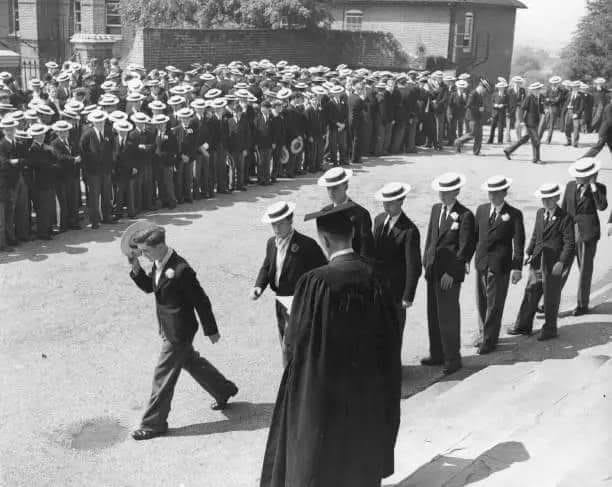
Harrow had a particularly humiliating tradition. Students lined up for roll call according to their academic standing, with the highest-ranking boys first and the lowest last.
Imagine young Winston, the son of one of Britain’s most famous politicians, standing at the end of that line while visitors looked on.
Not exactly the kind of experience likely to build a thirteen-year-old’s confidence.
“I am not lazy”
What makes Winston’s experience particularly interesting is how his teachers described him.
An 1888 school report complained about his “forgetfulness, carelessness, unpunctuality, and irregularity in every way.”
Yet his teachers also recognized that he had considerable ability.
Winston himself seemed frustrated by the way adults interpreted his difficulties. In a letter to his mother at thirteen, he tried to explain:
“I am not lazy & untidy but careless & forgetful.”
I find that statement extraordinarily moving.
How many young people today are attempting to tell their parents and teachers exactly the same thing?
But something didn’t add up
While Winston remained near the bottom of Harrow’s academic rankings, he won a schoolwide prize for memorizing and reciting 1,200 lines of Macaulay’s Lays of Ancient Rome without making a mistake.
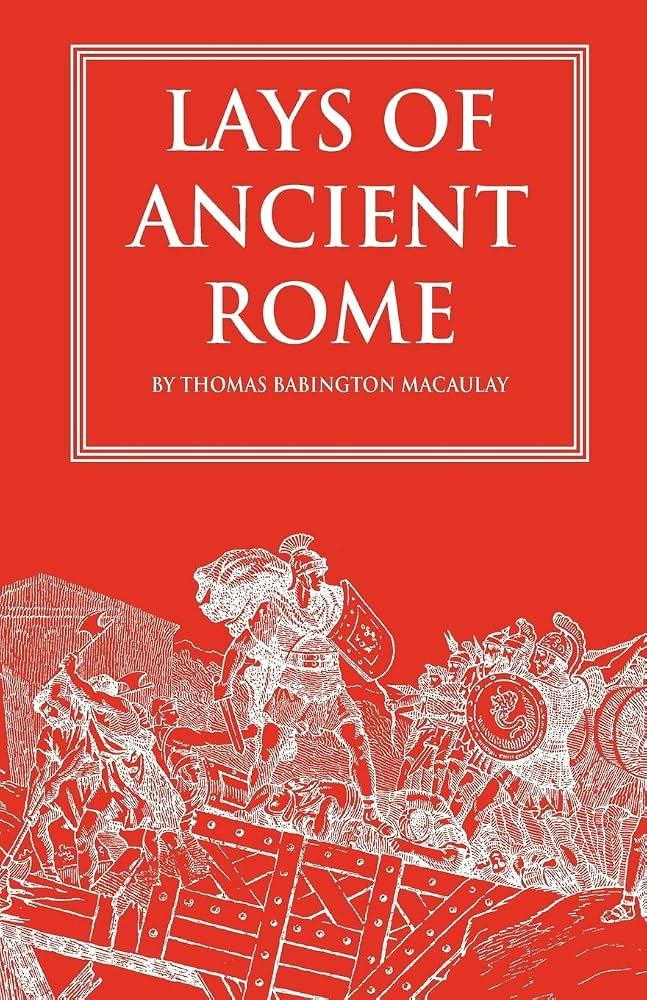
Twelve hundred lines!
How could a boy perform so poorly in ordinary schoolwork and demonstrate such an extraordinary memory?
Fortunately, one teacher recognized and developed an important strength.
Robert Somervell taught English to students in the lowest academic division. Because Winston remained there so long, he received unusually intensive instruction in English grammar and composition.
Somervell used different colored inks to break sentences into their components—subjects, verbs, objects, and clauses. Through repeated practice, Winston developed a deep understanding of how English worked.
Years later, Churchill credited Somervell with teaching him skills that served him throughout his life.
Think about that. One of the twentieth century’s greatest orators developed a crucial part of his command of English because he was considered too poor a student to advance to the classical languages!
The teacher who made the difference for me
This part of Churchill’s story has a particularly personal resonance.
When I was in school, I took five years of Latin and four years of classical Greek. Not because I had some burning passion for ancient languages, but because the man who taught them was, in my opinion, the best teacher in the school.
I didn’t particularly care what he taught. I wanted to learn from him.
And I needed his help.
There were only three students in my Greek class. The other two were, by far, the brightest and most accomplished students in our class. I was a little overmatched, to put it mildly.
But this teacher was unbelievably supportive of me. He encouraged me and made me feel that I belonged in that classroom alongside those two exceptional students. He later became headmaster of another private school.
Looking back, what I remember most vividly isn’t the Latin or the Greek.
It’s the teacher.
And I wonder whether Winston felt something similar about Robert Somervell.
Failure, failure, and then success
By his later teenage years, Winston wanted to pursue a military career. But first he had to pass the entrance examinations for the Royal Military College at Sandhurst.
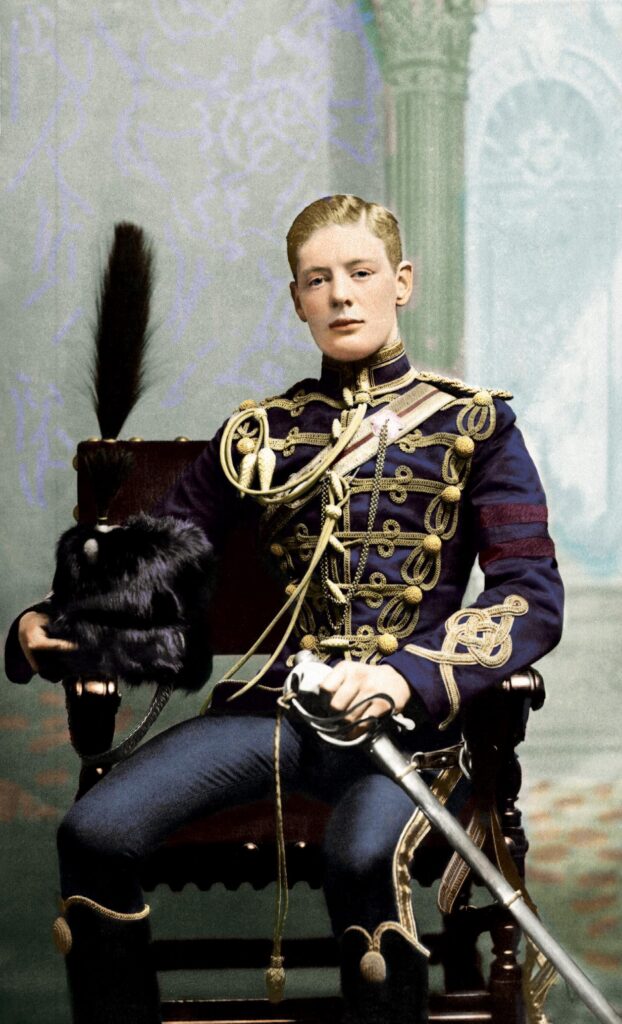
He failed. And then failed again.
Mathematics was a particular problem.
Fortunately, another teacher, Charles Mayo, helped him understand a subject that had previously seemed incomprehensible. With Mayo’s assistance and months of hard work, Winston improved dramatically.
On his third attempt, he passed.
And once at Sandhurst, the young man who had struggled through years of schooling became a successful student.
Why?
Because he was finally studying subjects that genuinely interested him: military history, tactics, strategy, and the organization of armies.
He graduated twentieth in a class of 130.
The same young man. A very different outcome.
Could Churchill have had ADHD?
This is where my interest in Churchill becomes especially personal.
I have ADHD. And about twenty years ago, I founded the Edge Foundation to help young people who struggle with executive-function skills—the abilities we use to plan, organize, manage time, regulate emotions, and accomplish goals.
One thing I’ve learned is that executive-function difficulties have little to do with intelligence.
A young person can be extraordinarily bright yet struggle with assignments, deadlines, organization, or getting started on tasks that don’t interest them.
Some historians and commentators have suggested Churchill may have had ADHD. His difficulties with organization, punctuality, and schoolwork certainly invite the question.
But we cannot diagnose him retrospectively, and there may have been many explanations for his difficulties.
In a way, whether he actually had ADHD isn’t the most important question.
What matters is how easily intelligence and potential can be obscured by difficulties with the skills required to succeed in a conventional classroom.
How many Churchills are we overlooking?
What fascinates me most about Churchill’s childhood is not simply that he repeatedly failed and eventually succeeded.
It’s that several adults helped him along the way: Mrs. Everest, Robert Somervell, Charles Mayo, and others who offered encouragement, guidance, and practical assistance.
None was what we would call an executive-function coach today. But each, in a different way, helped Winston move forward.
Of course, Churchill was born into an extraordinarily privileged family, with opportunities and resources most struggling young people could never imagine.
Even so, he experienced academic failure, discouragement, and the painful feeling that he was disappointing those around him.
I founded the Edge Foundation because I believe young people who struggle with executive-function skills deserve the opportunity to discover and develop their abilities.
How many young people today are waiting for someone to recognize their potential and help them realize it?
The world may judge them by their grades, their behavior, or their mistakes. But those things don’t define what they are capable of becoming.
How many children has the Edge Foundation aided since inception?
Why not do a separate BLOG on the Foundation. I ask, not only as an interested person who has known you for nearly all that time, but as someone who has made a very small donation to Edge.
BTW, Neil, you wrote another BLOG on Winnie back a few years and in my comments I suggested you visit the small Korakia Inn in Palm Springs where he secluded himself and painted and where one of his paintings hangs. Have you gone to it? Liz and I have a couple of times, very interesting!
earl,
my goodness, i have not done that. and i sure will when i get there the second week of november. thanks for the reminder. my best to you and Liz.
neil
Another wonderful reflection! Thank you for your insightful blogs! Mary
Neil, This is a very interesting piece of work. I admire your determination to enlighten us -from history to personal travels, and you do it in such an interesting and insightful way. You do a lot of research to make these blogs so interesting to your followers . Also the pictures you incorporate add so much to the conversation. Keep up the great work, we always look forward to reading them first thing in the in the morning. It gets our day started off right.
Neil,
Wonderful work! Terrific contribution.