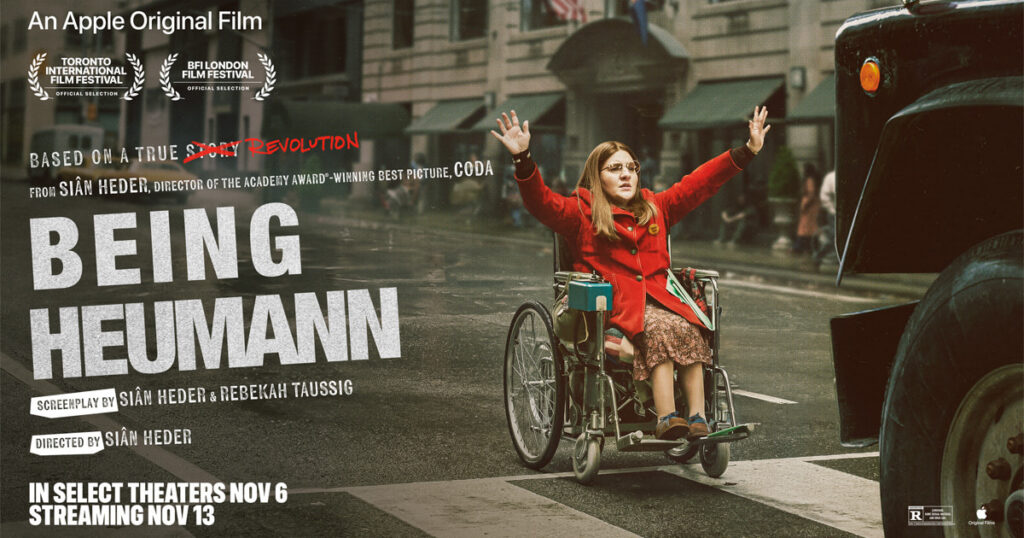
How a remarkable movie brought back memories of one of the proudest accomplishments of my career
Alexis and I went to see Being Heumann at the Denver Film Festival. Several times during the movie, we were both in tears.
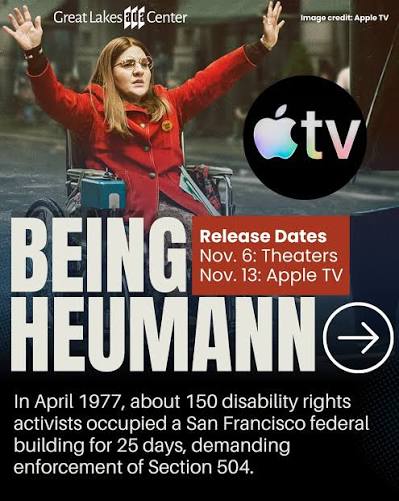
It was that powerful. That moving. That compelling.
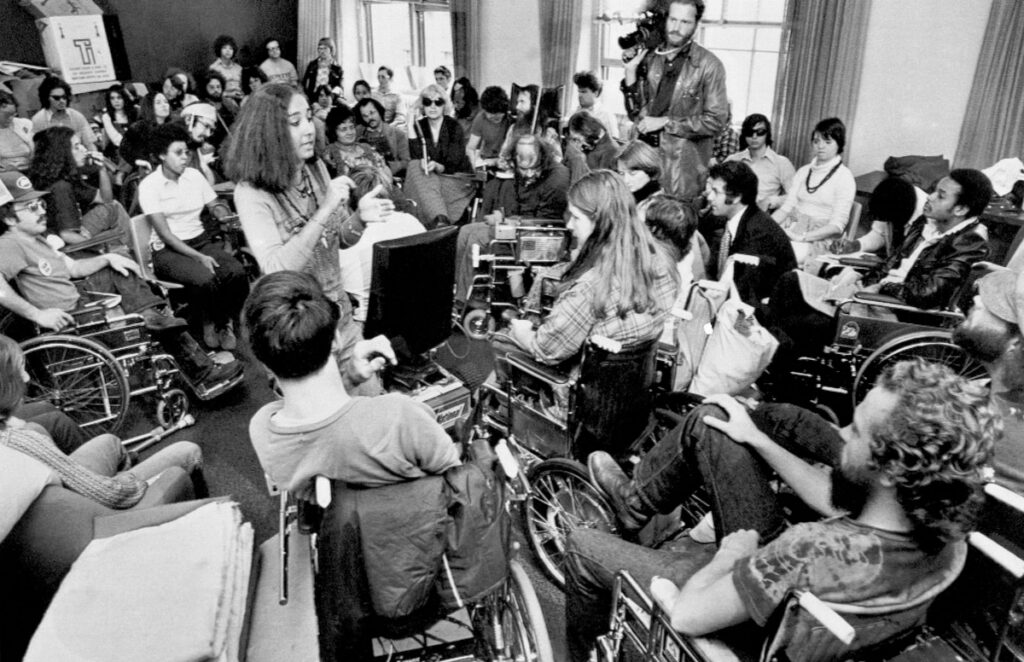
The film tells the remarkable true story of Judy Heumann and the disability rights movement, particularly the extraordinary 1977 occupation of a federal building in San Francisco. The protesters were demanding that the federal government finally implement Section 504 of the Rehabilitation Act of 1973, which prohibited discrimination against people with disabilities in federally funded programs.

The law had been passed four years earlier. But without implementing regulations, its promise remained largely unfulfilled.
The protesters occupied the building for 28 days. They refused to leave until the government acted. And ultimately, they prevailed.
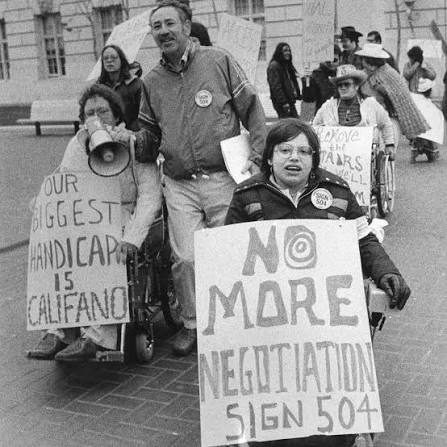
It is an extraordinary story of courage, persistence, and the struggle for civil rights. The film brings it to life with remarkable power and humanity.
But for me, the movie was much more than a history lesson.
You see, 1977 was also the year I became Executive Director of the Municipality of Metropolitan Seattle, better known as Metro. And one of the things I am proudest of in my entire professional career is how we at Metro responded to the very issue Judy Heumann and her colleagues were fighting for.
But first, I need to tell you how I got the job.
Two Days Riding the Buses
In 1977, I was living in Olympia, Washington, serving as Director of Community Services for the state’s Department of Social and Health Services.
I had responsibility for statewide programs serving people with disabilities, people with mental illness, older adults, families on welfare, children in foster care, people struggling with drug and alcohol addiction, and young people in the juvenile rehabilitation system, among others.
I was deeply immersed in the challenges confronting these populations. And I was personally committed to improving their opportunities to live independently and participate fully in society.
Then I was recruited to compete for the position of Executive Director of Seattle Metro.
There was one rather significant problem.
I knew absolutely nothing about running a transit system.
And Metro had another major responsibility: regional wastewater treatment and water quality. I knew nothing about that either!
My principal competitor for the job was considerably older and had much more relevant experience.
So what did I do?
For the two days before my interview, I traveled from Olympia to Seattle and rode Metro buses.
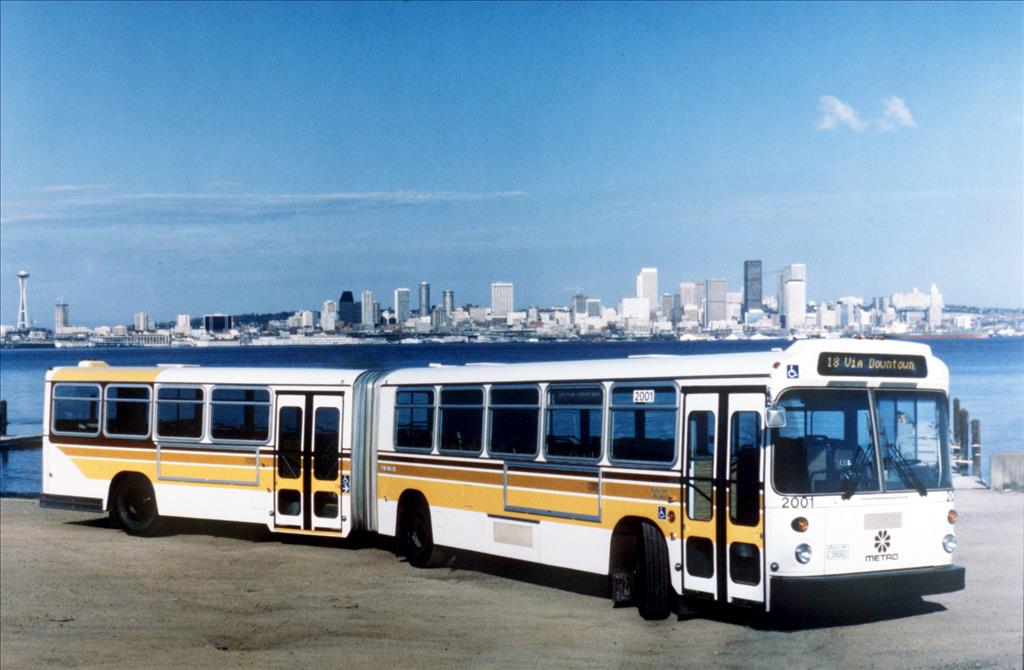
All day long.
I would board a bus, sit as close to the driver as possible, and start asking questions. What worked? What didn’t? What were the problems? Who were the passengers? What would the driver change?
Then I’d get off, board another bus, and start all over again.
I did this for two days.
Finally came the interview with the committee of Metro’s governing board that would recommend the next Executive Director.
One of the committee members was John Spellman, then the elected King County Executive and later Governor of Washington.
He looked at me and asked the obvious question.
“Neil, what background do you have in transportation?”
I looked him in the eye, then looked around at the other board members.
“None whatsoever,” I replied. “But let me tell you what I’ve been doing for the last two days.”
I told them about riding the buses, talking with the drivers, and observing the passengers.
And then I told them what I had learned.
“Your customers are my clients.”
The elderly. Young people. People receiving welfare. People with mental illness. People with disabilities.
These were the very people I had spent years working to serve at the Department of Social and Health Services.
I might not have known much about operating buses. But I knew a great deal about the people who depended on them.
They gave me the job.
The Battle Over Section 504
When I arrived at Metro in 1977, the American public transportation industry was embroiled in a major controversy over accessibility for people with disabilities.
Section 504 was beginning to transform the expectations placed on transit agencies receiving federal funds.
Much of the transit industry was strongly opposed to the prospect of making conventional bus and rail systems fully accessible.
And to be fair, the industry had some very real concerns.
First, the potential costs were enormous.
Second, making every bus accessible raised serious operational questions. How much additional time would be required when a passenger using a wheelchair boarded? What would that do to schedules and on-time performance?
And third, perhaps most importantly, wheelchair lifts simply didn’t work very well.
They broke down. They were unreliable. They could be unsafe. Imagine trying to operate a major transit system when every boarding by a wheelchair user carried the possibility of a mechanical failure and a major service disruption.
The industry’s response was largely to resist the federal requirements, eventually challenging the regulations in court.
But I came to the issue from an entirely different perspective.
I had spent years working with people who faced these barriers every day.
I believed deeply that people with disabilities had the same right to use public transportation as everyone else.
For me, the fundamental question wasn’t whether we could afford to make public transportation accessible.
It was whether we could justify continuing to exclude people from it.
If the Lifts Don’t Work, Let’s Build One That Does
So we at Metro decided to embrace the goal of making our entire bus fleet wheelchair accessible.
In 1978, Metro became the first major transit agency in the United States to formally commit to a fully accessible bus fleet.
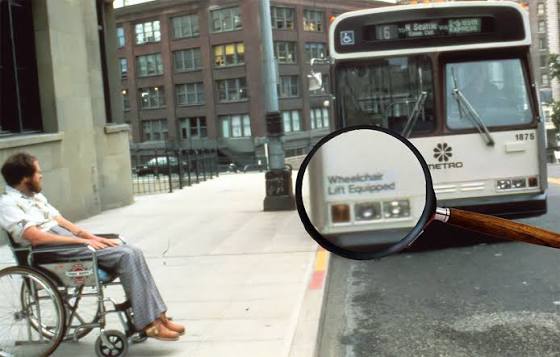
That was a pretty remarkable decision at the time.
But making the commitment was one thing. Figuring out how to accomplish it was quite another.
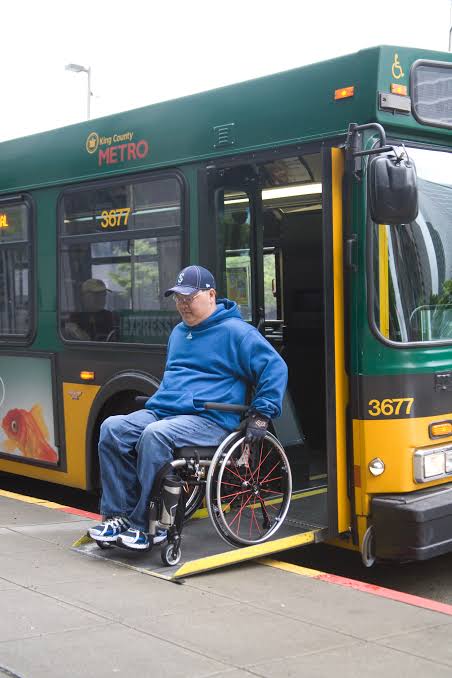
We investigated the wheelchair lifts then available. My recollection is that we sent a team of six maintenance employees to examine the equipment being used elsewhere.
The conclusion was discouraging. None of the existing lifts worked reliably enough to meet our operating requirements.
So we decided to develop a better one ourselves.
One of the heroes of this story was Ed Hall, a Metro engineer and former Boeing employee.
Ed developed a new wheelchair lift design that actually worked. It was called the Lift-U.
And it became an industry standard.
Think about that for a moment.
Here was a public transit agency being told that making its buses accessible was impractical, too costly, and technologically unworkable.
Rather than accepting those objections, our people went to work and helped solve the problem.
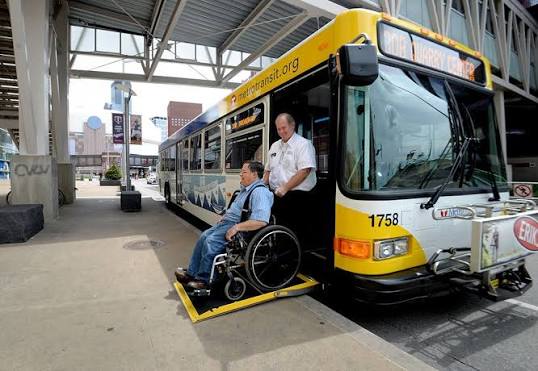
We began introducing lift-equipped buses into regular service in 1979. Eventually, the technology and the operating practices developed at Metro helped demonstrate to transit agencies throughout the country that accessible fixed-route service was feasible.
It took many more years to make the entire fleet accessible. But the fundamental decision had been made, the technology was working, and Metro was helping lead the way.
And what I find particularly gratifying, looking back nearly half a century later, is that studies of our early experience found that the lifts did not produce the devastating schedule disruptions that so many in the industry had predicted.
The problems were real. But they were solvable.
Back to the Movie Theater
And that brings me back to Being Heumann.
As Alexis and I sat watching Judy Heumann and her fellow activists occupy that federal building in San Francisco, refusing to leave until their government honored the rights that Congress had already given them, I found myself overwhelmed with emotion.
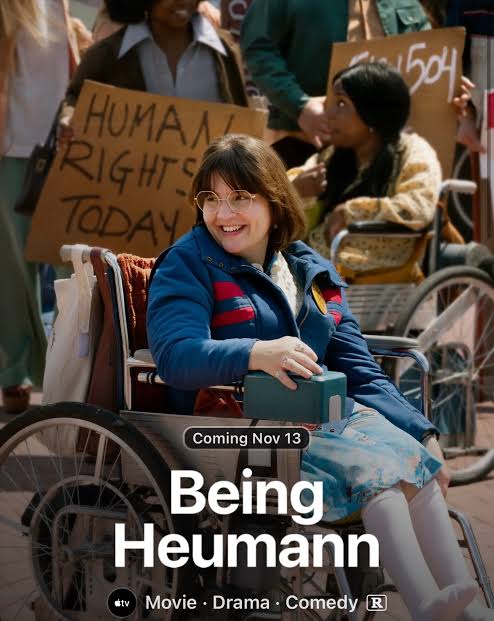
I was watching an extraordinarily courageous group of people demand something that should never have been denied them in the first place.
The right to participate fully in American society.
The right to an education. The right to employment. The right to enter public buildings. The right to ride a bus.
And I was remembering those remarkable years at Metro, and the extraordinary people I had the privilege of working with.
I am proud of what we accomplished. Not because I designed a wheelchair lift. I didn’t. And not because I did the hard work of making those buses accessible. Our engineers, mechanics, operators, planners, disability advocates, and many others did that.
But I am proud that we decided to embrace the challenge rather than fight it.
And I am proud that Metro helped demonstrate that what much of the industry regarded as impossible was, in fact, possible.
Today, seeing someone using a wheelchair lift or ramp to board a city bus is hardly remarkable.
But there was a time, not so very long ago, when that simple act was nearly impossible.
It took remarkable people like Judy Heumann to change that.
And it took thousands of others, in ways large and small, to turn those hard-won rights into everyday reality.
Watching Being Heumann, I was reminded of just how extraordinary that journey has been.