A week or so ago, I watched a movie called Tow.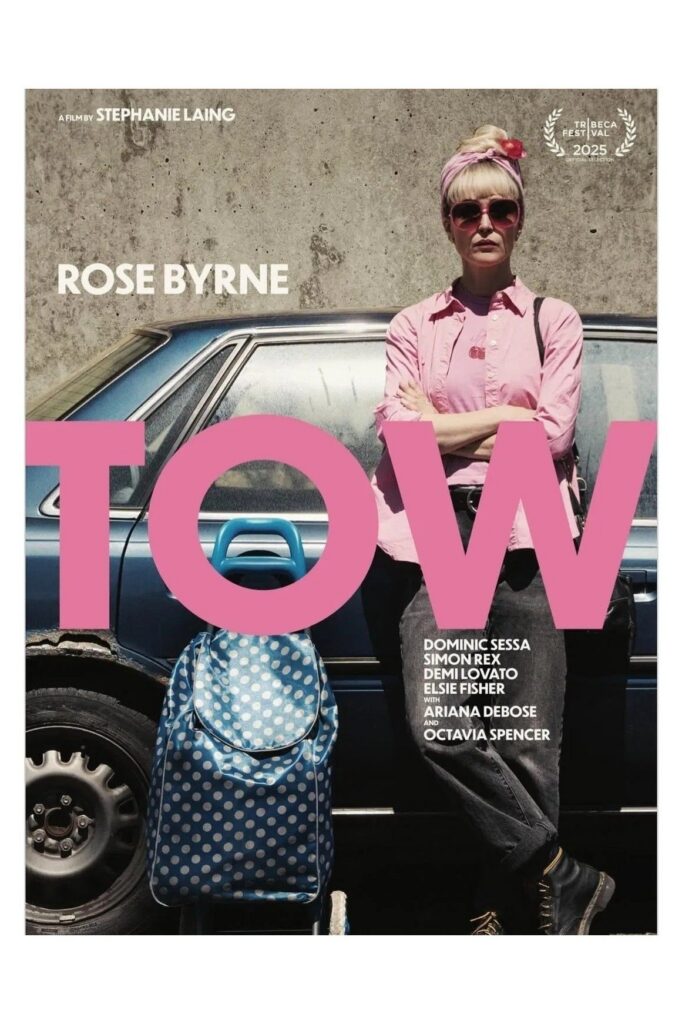 It stars Rose Byrne and is based on the true story of Amanda Ogle, a homeless woman in Seattle who was living in her aging Toyota Camry.
Her car was not just a car.
It was her transportation.
It was her shelter.
It was her home.
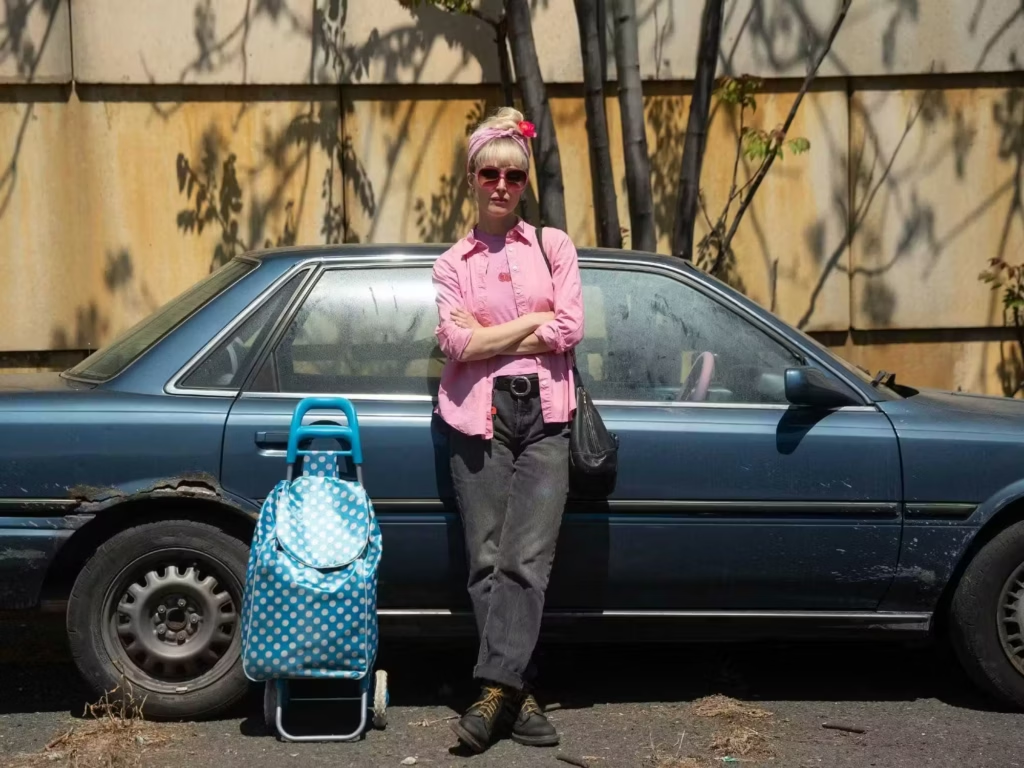
It was, in many respects, her entire life.
Then the car was stolen, recovered, and impounded. Amanda could not afford to get it back, the charges continued to grow, and she found herself trapped in an impersonal system that seemed completely incapable of responding to the reality of her life.
The disputed bill eventually grew to more than $21,000.
I watched the movie feeling sympathy, frustration, and outrage for what had happened to her.
What I did not realize was that, about a week later, I would be starring in my own very small and far less consequential version of Tow.
I arrived in Seattle on Saturday expecting to find my Honda CR-V Hybrid where I had left it several weeks earlier.
It was not there.
At first, I assumed I was mistaken.
Perhaps I had parked on another block.
Perhaps I was remembering the wrong location.
Perhaps this was another one of those increasingly frequent moments when I walk into a room and cannot remember why I went there.
But no.
I was in the right place.
My car was not.
After a fair amount of detective work, I finally tracked it down.
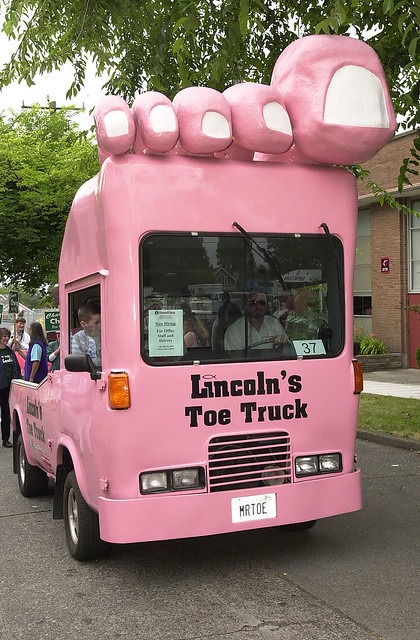
My Honda had been towed and impounded by Lincoln Towing.
It had received a ticket for remaining more than 72 hours in a public parking space.
I knew about Seattle’s 72-hour parking rule. But I believed that I had left my car in a private parking space rather than a public one.
Apparently, I was wrong.
What I did not know was that my car had been towed three weeks earlier.
I did not know because neither the police department nor the towing company had informed me.
Not a telephone call.
Not an email.
Not a text.
Not a letter that reached me.
Nothing.
Meanwhile, Lincoln Towing was charging me for every day the car remained in its lot.
By the time I discovered where it was, the bill had grown to more than $1,000.
Holy cow!
I took an Uber to Lincoln Towing on North Aurora Avenue, an area of Seattle not particularly known for its welcoming atmosphere.
Even my Uber driver and I had trouble finding the entrance.

The building was nothing to write home about, with no clearly identifiable front door. Eventually, I found my way inside.
I was greeted by a counter enclosed in bulletproof glass extending from the counter to the ceiling.
Behind the glass sat one woman.
She seemed to be the entire staff.
She was answering telephone calls, dispatching tow trucks, processing payments, and dealing with the unhappy people who had come to retrieve their cars.
Also behind the glass was a uniformed Seattle police officer.
Naturally, I asked him what he was doing there.
He said he was there to make sure everything went smoothly.
That answer did not exactly fill me with confidence.
The clerk told me that I would have to pay the entire bill before I could retrieve my car. I could dispute the parking ticket and the impound charges later, she explained.
So I paid the money.
She handed me the ticket, the towing paperwork, and instructions for requesting a hearing.
Then I asked what seemed like a fairly reasonable question.
“Where is my car?”
She did not know.
“It’s somewhere in the lot,” she said. “You’ll have to find it.”
I was buzzed through the back door and walked down into the valley behind the building.

There, before me, was a sea of automobiles.
There must have been close to 1,000 vehicles crammed into a vast dirt lot—cars of every shape, size, age, color, and condition.
Somewhere among them was my Honda.
So I started walking.
Row after row.
Car after car.
Eventually, I found it.
That was the good news.
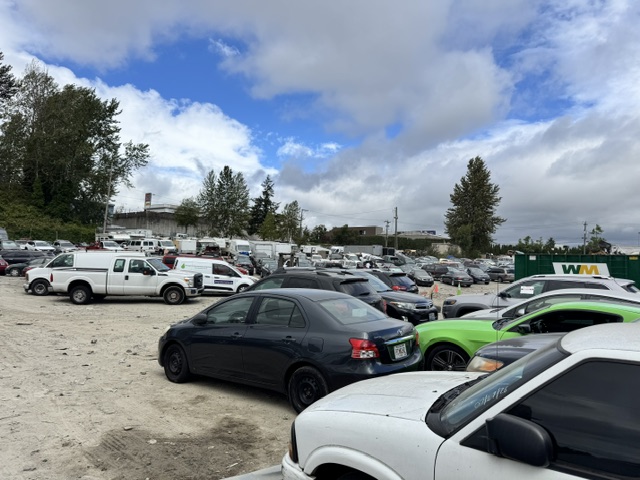
The bad news was that five other cars were parked in front of it.
Not one.
Not two.
Five.
To free my Honda, each of those five vehicles would have to be individually towed out of the way. The towing company did not have keys to any of the vehicles.
Then I discovered a second problem.
My key would not unlock my car.

The battery was dead.
Eventually, I found an employee somewhere in the lot. Slowly but surely, he began moving the cars blocking mine.
One tow at a time.
Five separate cars.
He then located a truck with jumper cables.
Before he could jump the battery, however, he had to get inside my locked Honda so that he could release the hood.
How he managed to open the door is another story.
It is probably also a skill I would prefer not to understand in too much detail.
Eventually, the jumper cables were attached.
The Honda came back to life.
And I drove away.
My car, however, looked as though it had spent three weeks participating in an off-road rally.
It was filthy.
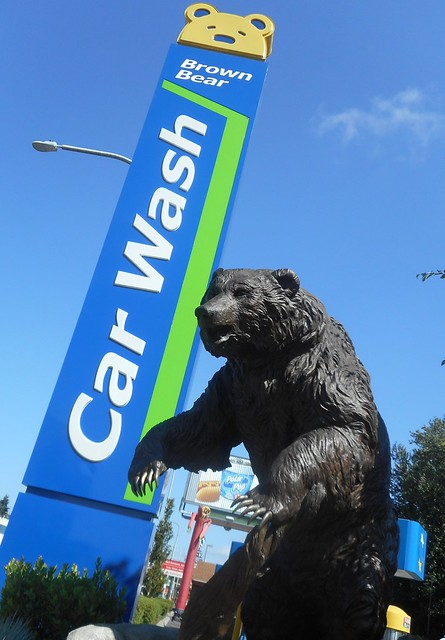
I drove directly to Brown Bear Car Wash. The attendant took one look at it and said he was not sure they could get it clean in a single wash.
He generously told me I could go through as many times as necessary at no additional cost.

Then there were the large white identification numbers the towing company had written across my windshield.
The car wash did not remove them.
Windex did not remove them.
A sponge did not remove them.
My car had not merely been impounded.
It had been branded.
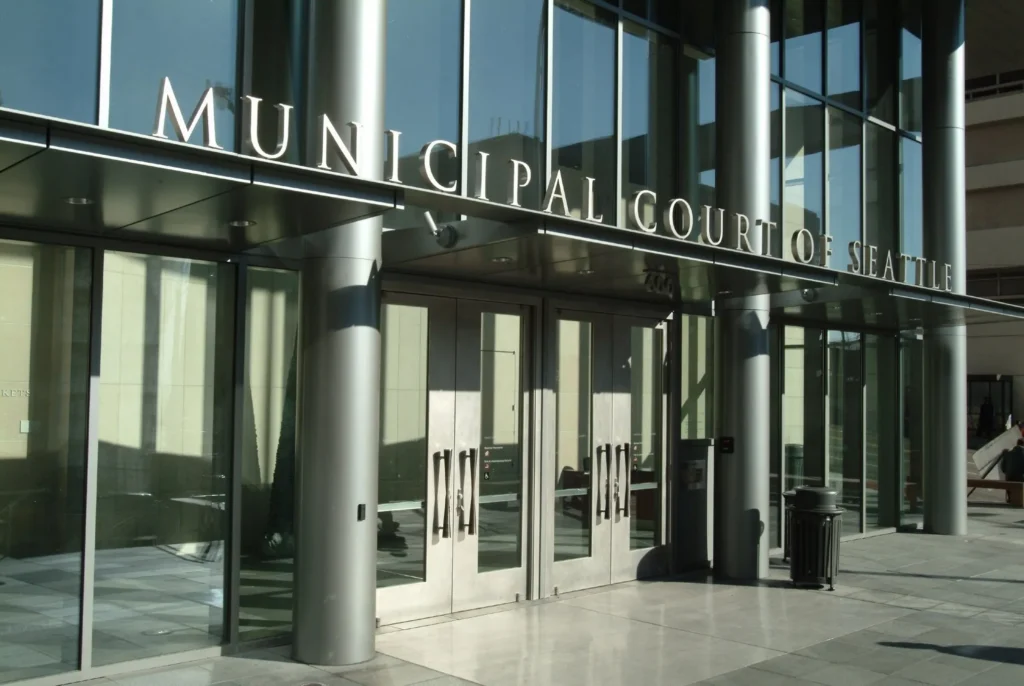
The next day, I went to Seattle Municipal Court and obtained a date for a remote hearing. I intend to dispute both the parking ticket and the impound charges.
We will see whether that does any good.
Standing alone, my experience was maddening, expensive, and almost comical.
Almost.
But I cannot tell the story without thinking about Amanda Ogle and the movie I had watched only days before.
My Honda was important to me.
Her Toyota Camry was everything to her.
I was angry about paying more than $1,000.
She faced a bill of more than $21,000.
I had the money to retrieve my car.
She did not.
I could take an Uber to the towing company.
She had lost both her transportation and the place where she slept.
I had somewhere to go after I left the impound lot.
She had lost her home.
My encounter with the towing system was an outrageous inconvenience.
Hers threatened her survival.
My situation pales in comparison.
And yet, for a few hours, I caught a small glimpse of the helplessness she must have felt.
The system knew where my car was.
The police knew where my car was.
The towing company knew where my car was.
The only person who did not know was the person who owned it.
And he was the one being charged by the day.
Of course, there is one other possible conclusion.
Maybe Neil made a mistake.
I knew about Seattle’s 72-hour rule. I left my car for several weeks without making absolutely certain that the space was private. I assumed that if the car were towed, somebody would notify me.
Those assumptions proved expensive.
Perhaps I have nobody to blame but myself.
There may be some truth in that.
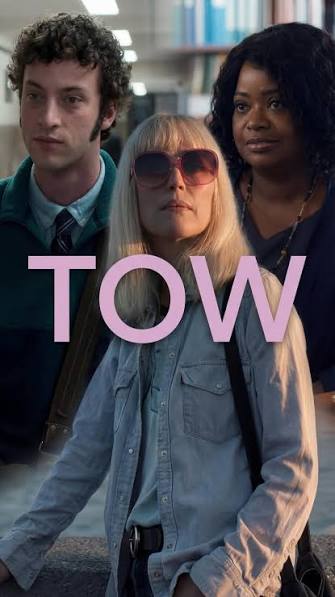
But the larger lesson of Tow is that bureaucratic systems do not affect everyone equally.
For me, the experience meant an enormous bill, several frustrating hours, a court hearing, a dead battery, and a very dirty Honda.
For someone living on the edge, the same experience can mean losing the only shelter, transportation, security, and property they possess.

How did you get the numbers off your windshield? What a pain in the you know what.
Indeed, it can be a cruel world out there. Towing companies are heartless bullies!
We here in Canada are getting a taste of another cruelty with Mr’s Lutnick and Trump socking it to us with unjustified tariffs, that Americans end up paying, and other nonsense.
Good luck in your appeal to City Hall!!!
Was it Spearchucker (sic) who said “Parking (sic) is such sweet sorrow!)
Neil I have a friend who had a similar experience. His car was towed from a Home Depot parking lot, where it was left after he was mistakenly arrested by ICE agents. Two days later when they finally released him he had to Uber back to the Home Depot lot only to find his car had been towed. No overnight parking. Next, Uber to the expound company. Pay the fee. The dreadful experience cost him close to $1000. Like you, the $1000 was more of an inconvenience. Unfairly none of his expenses are refunded.